

Annapurna Base Camp Travel Guide
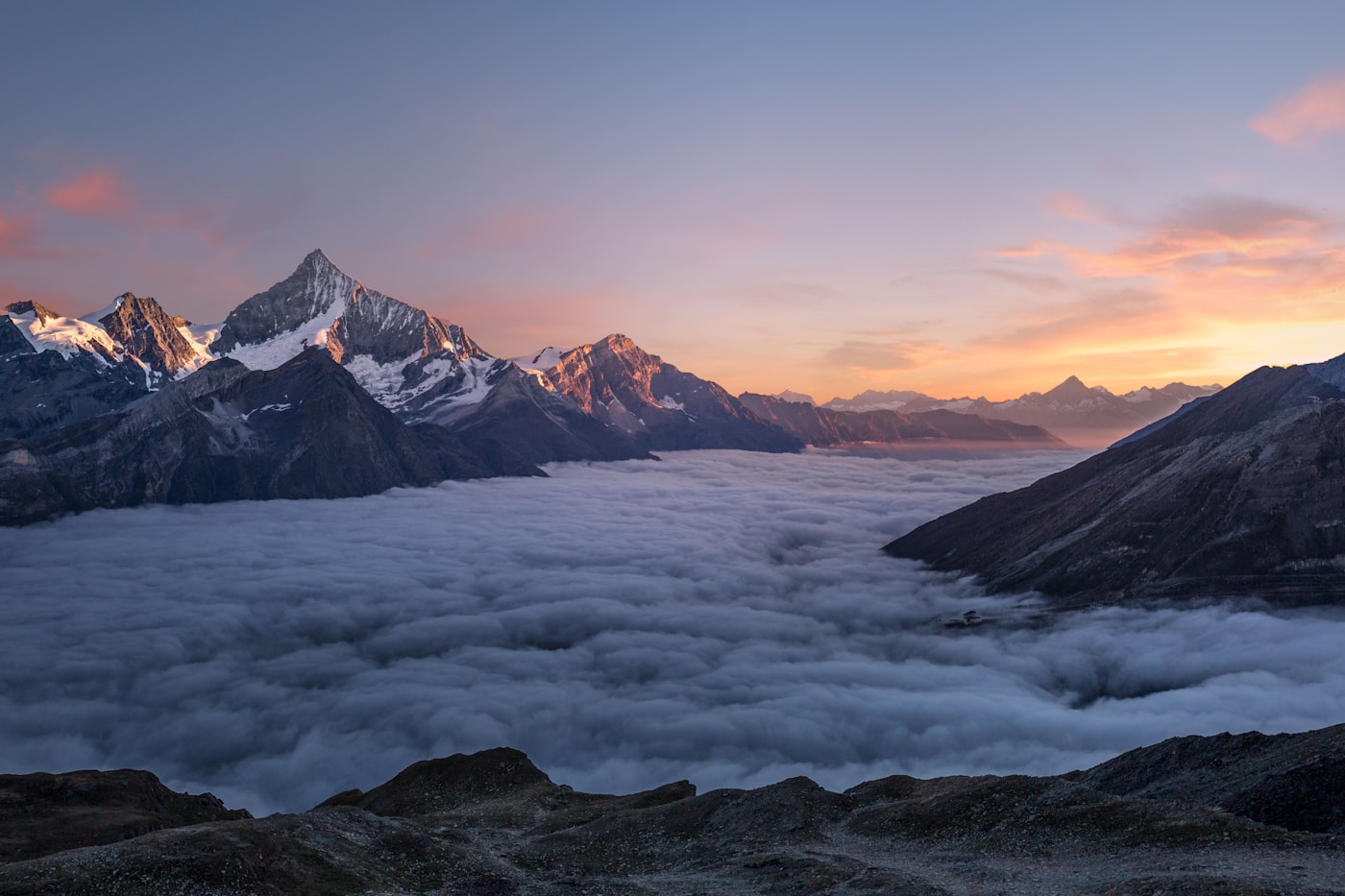
I stood at the edge of Godavari platform and thought of nothing for a moment. The mountains around me were stone and ice and ancient silence, and somewhere below, a village still carried on with afternoon tea. Annapurna Base Camp is not just a destination on a map. It is a slow climb into a ring of white peaks that makes you feel very small and very lucky at the same time. Here is everything I wish someone had told me before the first of my two visits.
How to Reach the Trailhead
Most treks begin with a drive from Pokhara, which itself is a pleasant fly-in from Kathmandu when the mountains are clear. From Pokhara, a jeep carries you through the town of Nayapul and up a rough road along the Modi Khola. The road has improved a lot since my first trek, and you can now push all the way to Ghandruk or even Siwai on wheels. That saves two days of dusty walking that used to be part of the route. If you prefer the full classic, you can still start at Nayapul and walk through Kimche and Ghandruk. I reached Ghandruk by jeep on my second visit and do not regret it.
Permits and Paperwork
You need two things before you start. The first is an Annapurna Conservation Area Project (ACAP) permit, and the second is a Trekkers’ Information Management System (TIMS) card. Both are handled in Pokhara at the tourist office, and your trekking agency can sort them while you relax. Carry your passport and a couple of passport photos. The permits are checked at several points along the route, and the wardens are friendly but firm. I once watched a hiker argue with a warden over a missing signature and it did not end well, so keep the paperwork dry and accessible.
Where You Sleep Along the Route
The teahouses are the hidden stars of this trek. From Ghandruk up through Chhomrong, Upper Sinuwa, Bamboo, Dovan, and Deurali, each village has simple lodges with warm rooms and kitchens that send out dal bhat like clockwork. The beds are thin mattresses on wooden platforms, and the rooms are cold, so bring a warm sleeping bag. Electricity is limited and hot showers cost extra. I learned to charge my phone while eating dinner because the dining hall generator runs longest then.
The Final Ascent to Base Camp
The walk from Deurali to Annapurna Base Camp is long but not technically difficult. You climb through Machapuchare Base Camp, then follow a wide glacial valley that seems to swallow sound. Snowfields appear even in autumn, and the trail can disappear after fresh snowfall. I did this stretch with a guide on my first trip and fell into step behind a small group of porters who were singing softly. It felt like the whole mountain was listening. The base camp itself is a flat, uplifted amphitheater ringed by Annapurna I, ten other named peaks, and the Fish Tail’s sharp form. Reaching it takes most people four to five days of walking from Pokhara.
When the Best Views Come
The classic seasons are October through November and March through April. I went in late October the first time and was rewarded with days of wide blue sky. The second visit was in mid-November, when the evenings bite hard and the mornings crack and shimmer. The sunrise on the peaks is brief but enormous, and the cold is worth it. Winter brings deep snow and closed lodges at the top, while the monsoon months of June through September wash out the trails and hide the summits.
Packing List That Earned Its Keep
No matter the season, pack layers like your comfort depends on them, because it does. A light down jacket, a warm fleece, thermal base layers, a waterproof shell, and gloves made the difference between a wonderful trip and a miserable one. Hiking poles saved my knees on the steep descent from base camp, which is far tougher on the joints than the climb. I left behind my bulky DSLR camera on the last trip and used my phone; the difference in my shoulders was immediate. Umbrellas are common in the lower villages and work better than rain jackets in the afternoon drizzle of the forest sections.
The Mistake That Nearly Cost Me
On my first trek I underestimated the altitude and refused to slow down. By the time I reached Deurali I had a pounding head and a restless night, classic signs of acute mountain sickness. I take the lesson seriously now: walk slowly, drink plenty of water, sleep lower when you can, and turn around if symptoms get worse. There is no shame in going back. The mountains will still be there. Every guide will tell you to go up slow and come down slow, and every tourist thinks they are the exception. Do not be that person.
Money and Food
Carry enough cash for the whole trek because there are no ATMs once you leave Pokhara. Dal bhat with its endless refill is the fuel of this region. Try the local noodle soup and the apple pie that lodges bake in the hill villages. Tipping the porters and guides who carried more than I did is a courtesy that costs little and means a great deal.
Why Go Back at All
Annapurna Base Camp made me spend a whole long evening sitting on a porch in Chhomrong with no music, no signal, and no agenda. The world narrowed to the sound of the river and the smell of woodsmoke. That is the thing I keep chasing and the reason I returned. It is not the coldest camp or the highest pass in Nepal, but it is one of the most moving days of walking I know. Go slowly, stay humble, take the dawn seriously, and let the mountains do their work on you.



