

Best Time to Visit Annapurna Base Camp
Choosing when to trek to Annapurna Base Camp is what separates a trip full of mountain views from one full of cloud and mud. The trail climbs from warm, terraced village land up through forests and into a glacial amphitheatre, and the weather you get at the top depends almost entirely on the season you pick. I have walked it in two of them and they were very different journeys, so here is what the calendar really means for the trail.
The two great seasons
Nepal’s trekking calendar has two reliable windows, and both work well for Annapurna Base Camp. The first is autumn, in October and November, the most popular time for the whole Himalaya. The second is spring, from March through early May, when the lower trail comes alive with rhododendron blossom and the valleys turn red and pink. Both offer the clearest skies and the most settled weather of the year. The real choice between them comes down to what you prefer to see and how crowded you like your trail to be, because in season this route fills up.
October and November: the classic pick
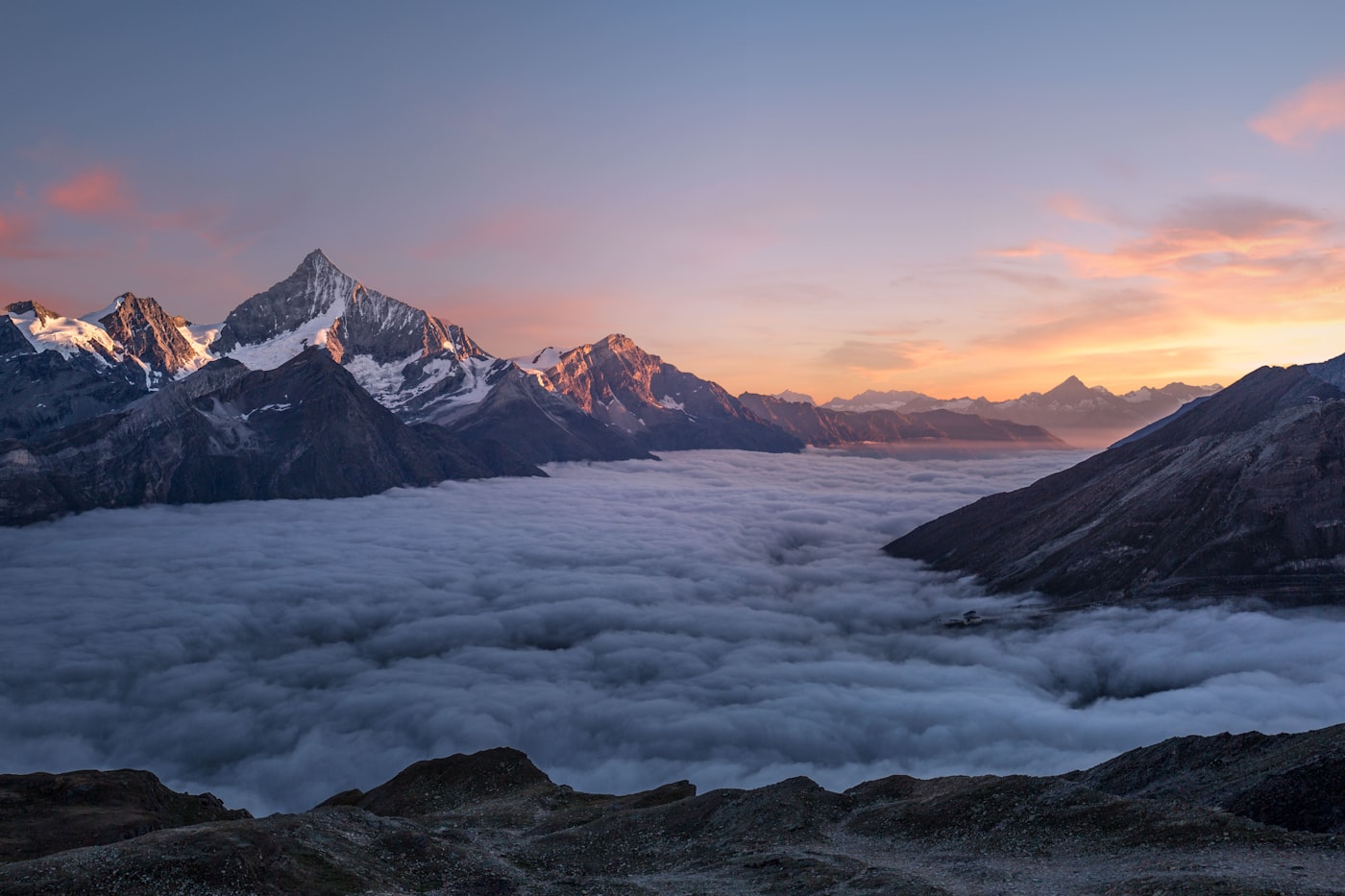
Of all the months, late October into November is the one I would recommend to a first timer. The monsoon has just ended, so the air is washed clean of haze and the views are at their sharpest, with the peaks standing out against a deep blue sky. Days are warm and clear, nights are cold but manageable inside the teahouses, and the amphitheatre at the base camp is usually open to the sky from early morning. The only real downside is the crowds: this is peak season, so expect busy trails, full teahouses and higher prices, and book your nights ahead.
March and April: spring and flowers
The other great window is spring, when the rhododendron forests that line the lower trail explode into bloom in a riot of red and pink that turns the walk into a wildflower journey. April is the sweet spot, with long clear days, warmer feels in the valleys and the slopes full of colour. The views are just as good as autumn on the high sections, though the mornings can start a little hazy before the sun burns off the valley mist. It is slightly less crowded than October, which I found a relief on the narrow sections of path.
The seasons to avoid
The monsoon, from June through September, is the wet season and I would strongly advise staying away. The trail turns to deep mud, the clouds hide the peaks for days on end, the rivers swell and leeches appear in the lower forests. The views at the base camp are a gamble that usually loses, and the path can wash out. Winter, from December through February, is the opposite problem: the trail is often dry and clear, but the cold is serious, with snow on the high sections and night temperatures well below freezing, which makes the climbing days genuinely hard and the teahouses busy with stoves.
A note on the shoulder months
Late November into early December and late March into early April sit on the edges of the good seasons, and they can be excellent or indifferent. Early December is often clear, quiet and cold but manageable, with empty trails that are lovely. Late March carries the tail of winter, so high passes might hold snow but the days are warming. If you want the views without the peak crowds, these shoulders are a reasonable gamble, though they carry a bit more risk than the heart of spring or autumn.
What the weather actually does
No matter the season, the altitude drives the daily weather as much as the calendar. The base camp sits at around 4,130 metres, so the afternoons often build cloud even on fine days, and snow can fall in any month at the high end of the trail. The golden rule I followed was to walk early and settle into the teahouse by mid afternoon, when the light is best and the sky is most often open around the peaks. Afternoon cloud is normal and clears again at night for the mountains to show in the starlight.
My verdict
For the best all round bet, choose late October to November, when the sky is clearest and the trail most settled, and be ready for company. For a warmer, quieter and gloriously flowery alternative, pick April. Avoid the monsoon from June to September and the hard freeze of deep winter unless you are properly equipped for cold. Get the season right, pack for cold nights and warm days, and the amphitheatre at base camp will put on the show you came to see.
Being flexible helps
There is never a guarantee of perfect weather on this trek, no matter how you time it, because mountains make their own rules. The best insurance is a bit of flexibility in your schedule. If you can afford a spare rest day, use it to wait out a cloudy spell at the base camp or a high village before the final push, and your chance of the clear sunrise you came for improves a great deal. A flexible plan is the quiet superpower of any successful Himalayan trek.



