

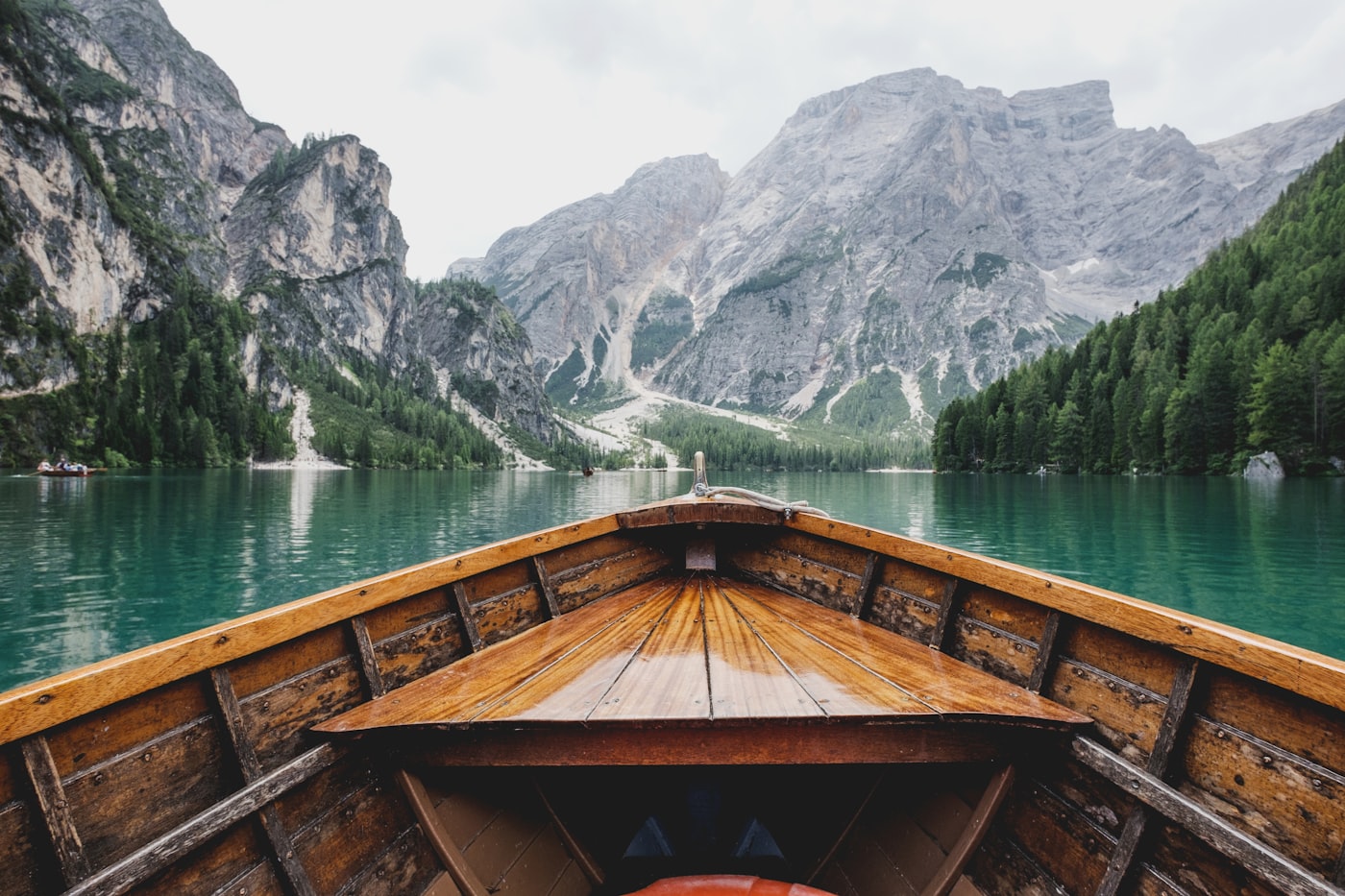
Bavarian Alps Travel Guide
The Bavarian Alps are the mountain region along Germany’s southern border with Austria, an easy ride south from Munich. It is compact enough to base yourself in one town and reach glaciers, deep gorges and fairytale castles within a single day, which makes it one of the best planned mountain regions in Europe. This guide covers how to plan a trip here so you spend your time outdoors rather than figuring out transport.
Where to stay
Garmisch-Partenkirchen is the most practical base, with the Zugspitze, the Partnach Gorge and good rail links all close by, and it has the widest choice of hotels and restaurants. Oberammergau is prettier, famous for its painted houses and its passion play, and handy for the western valley. Fussen sits right beside Neuschwanstein at the far west. Berchtesgaden, further east near the Austrian border, suits Konigssee and the Eagle’s Nest. Pick one town to stay in and use it as a hub, since the distances between the main sights are short.
Getting around
A car gives the most freedom, but the train works well for many routes. The regional rail network runs from Munich out to Garmisch, Mittenwald and Fussen, and buses connect the valley towns to cable cars and trailheads. Some mountain areas require buying lift tickets at the spot, so carry a little cash. In winter check the avalanche and road conditions before driving over passes, and always allow for alpine weather changing by the hour no matter what the forecast promised.
The main attractions
Neuschwanstein Castle tops most itineraries and needs an advance booking if you want to go inside. The Zugspitze offers the highest summit in Germany via cable car and glacier railway. The Partnach and Leutasch gorges deliver drama close to the valleys and work well on a grey day. Konigssee and its island chapel give the region’s most serene scenery. Chiemsee’s Herrenchiemsee palace is the lake escape nearer Munich. Spread these over a few days rather than cramming them in, because each deserves its own morning.
Hiking and the mountains
In summer the valleys and lower slopes suit everyone, while alpine paths reward fitter walkers with huts and high ridgelines. Cable cars and chairlifts carry less energetic visitors up quickly, and the view repay you instantly. Trails are well marked and maintained, but carry water, a map, a rain layer and sun protection, since alpine weather changes fast and the sun is strong at altitude. In winter the same mountains host skiing for all levels, plus cross country trails and snowshoeing, so the region works for every kind of traveller.
Eat, drink and warm up
Food is half the reason to come to the Bavarian Alps, and the mountain huts and valley taverns are the beating heart of it. After a morning on the slopes, settle into a hut for roast pork with dumplings, a plate of käsespätzle, or a simple bowl of noodles, all washed down with a crisp local beer and a view running for miles. Down in the villages, the beer gardens fill with families on warm afternoons and the bakeries turn out fresh pretzels and sweet pastries. In winter, the Stuben serve hearty stews and mulled wine by the fire. Eating well at altitude and then again at valley level ties the whole trip together and gives each day a natural rhythm of climb, ride and feed.
Seasonal highlights and festivals
The calendar across the border is full, and some of the best moments are the ones you could never plan. In autumn, the Almabtrieb beckons as festooned cows come down from the high summer pastures to enormous local pride. Winter turns the villages festive with cosy Christmas markets and snow on the rooftops, while spring brings wildflowers and the first sun of the year to the lower meadows. Summer delivers open air concerts and village festivals with music and stalls. Ask wherever you stay what is happening that week, because the small events are often the most memorable. They give the region its human side and turn a trip into a story you actually tell afterwards.
A note on sensible planning
Give yourself slightly more time than the journey maps suggest, because every valley hides a detour. Reserve a full day for the region rather than treating it as a stop on the way to something else, and spend it on the mountain of your choice at a relaxed pace, with no rush to tick anything off. Watch the opening hours of the lifts and castles, which shorten in the shoulder months, and check whether the higher huts close overnight outside the main season. Keep a spare afternoon for a valley you like, because returning to a favourite view is often the best part of a trip. Planned that way, the Bavarian Alps feel generous rather than rushed.
Practical tips
Munich airport is the main gateway, and the rail journey to Garmisch takes around an hour and a half. Book your accommodation and the castle and boat tickets ahead in summer, when the region is busiest. Buy a regional train pass if you will travel most days. Local food is hearty and good value, and the beer gardens, especially in summer, are a highlight in themselves. Allow at least three full days to see the region without rushing, and you will leave with the mountains feeling both familiar and endlessly inviting.



