

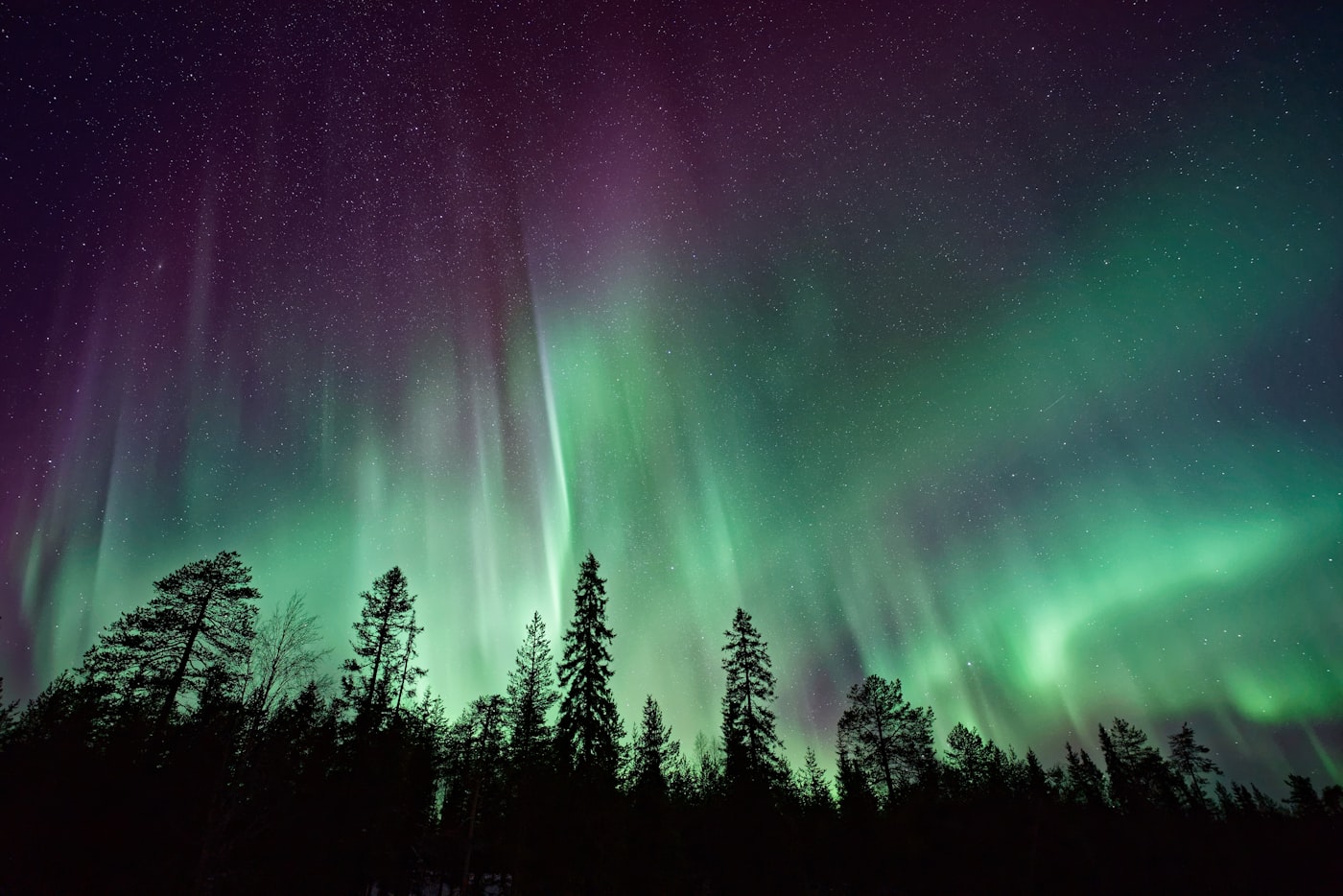
Best Northern Lights Viewing Spots I Have Tried
I have stood in the dark in eleven different countries waiting for the aurora, and I have learned one stubborn truth: the forecast lies in almost every possible direction. I have watched a clear sky do nothing while a city on the other side of a mountain lit up green, and I have caught the sky dancing from the most inconvenient roadside imaginable. So consider this list less a promise and more a collection of places where the odds, the darkness, and the scenery all lean in your favor. These are the spots I keep returning to, in the order I would send a friend chasing the lights for the first time.
Iceland: the best all rounder
Iceland is where I tell first timers to start, and it earns the top spot because it wins on the practical side. You can chase the lights from Reykjavik on a night tour, or drive out to spots like the Jokulsarlon glacier lagoon where the reflections turn the whole scene electric. The weather is temperamental, but the island’s sheer number of dark, open viewpoints means if the cloud cover cooperates anywhere, you will find it. I saw my first truly unforgettable display from a volcanic black sand beach, and I have never once regretted the midnight drive.
Abisko, Sweden: the sky’s best kept secret
Of all the places I have chased the aurora, Abisko in Swedish Lapland has the best record, and it is not close. The village sits in a rain shadow created by the surrounding mountains, which gives it remarkably clear skies more often than almost anywhere else in the region. The Aurora Sky Station sits on a hill above the village, and the view from up there is genuinely special. I have been three times, and I have seen the lights every single visit. That is not a record I can claim anywhere else, and it is why Abisko remains my single most reliable pick when a first timer asks where to go. It is also wonderfully gentle for beginners, with heated huts and guides who know exactly where to point you.
Tromso, Norway: adventure and aurora
If you want the aurora to come with a stunning backdrop and a full menu of winter activities, Tromso is your place. This Norwegian city sits well inside the aurora zone, and it pairs the lights with dog sledding, fjord cruises, and a genuinely cozy food scene for the nights the sky stays stubborn. I found the best results by joining a small guided tour that pushes away from the light pollution of the city, and I caught a massive display swirling right over a frozen fjord. It was cold enough to hurt, but I would do it all over again.
Yellowknife, Canada: the reliable brass ring
For raw reliability, no place has delivered for me like Yellowknife in Canada’s Northwest Territories. The area sits directly under the auroral oval, and the flat landscape and cold, clear winter nights mean the sky opens up with stunning consistency. I have seen displays so strong they filled the entire sky and moved fast enough to make me dizzy. On the strongest nights the colors rippled so quickly I could not decide which way to point the camera first. The trade off is the cold, which can be brutal, but the ice roads and the frozen lake make a perfect backdrop. Dress for serious cold and this place will reward you like no other.
Fairbanks, Alaska: the accessible legend
If you want aurora without crossing an ocean, Fairbanks is the gatekeeper of the far north, and it earns the buzz. The city sits under the oval, and there are dozens of lodges and hot springs built specifically for aurora viewing, many with midnight wake up calls so you never miss a burst. I have watched greens and purples unfold over the Chena River from a steaming hot spring, which may be the most comfortable way to endure subzero night air ever invented. It is reliable, easy, and endlessly photogenic.
When and how to catch them
The magic formula I lean on is simpler than the gear ads suggest. Go in the aurora season between roughly late August and early April, pick a place with low light pollution, and check the aurora forecast alongside the cloud cover before you commit to a spot. A dark new moon helps enormously, so plan the sky calendar around your trip. Then be patient and do not trust the first hour of darkness. I have had the lights appear only after I had written the night off and starting packing up the camera. Treat it as a slow evening with occasional miracles, and you will leave with memories that make every cold, sleepless night worth it.



