

Slovakia Travel Guide: The Country Nobody Prepares You For
Slovakia sneaks up on people, and I say that as someone who almost skipped it entirely. It sits right in the middle of Europe, shares a border with Austria, and still manages to feel like a secret. I came for a weekend and kept extending my trip because the country kept giving me reasons to stay. Let me walk you through how to see it properly, the way I wish a guide had told me before I started, because a few practical things would have saved me time and pointed me in the right direction sooner.
Start Small in Bratislava
Most trips begin in Bratislava, and that is the right call, but do not expect a marathon and do not rush it. The old town is small enough to cover on foot in a day, and that compactness is part of its charm rather than a shortcoming. The hilltop castle watches over the Danube, the cobbled lanes hold a surprising number of good cafes and wine bars, and the whole place has a relaxed, friendly energy that feels almost like a village pretending to be a capital. From there you can be in Vienna in an hour if you want a tidy two country trip, but give Bratislava its own quiet day first instead of treating it as a footnote. The food, the beer, and the riverside promenade all deserve your attention.
The High Tatras Are the Real Star
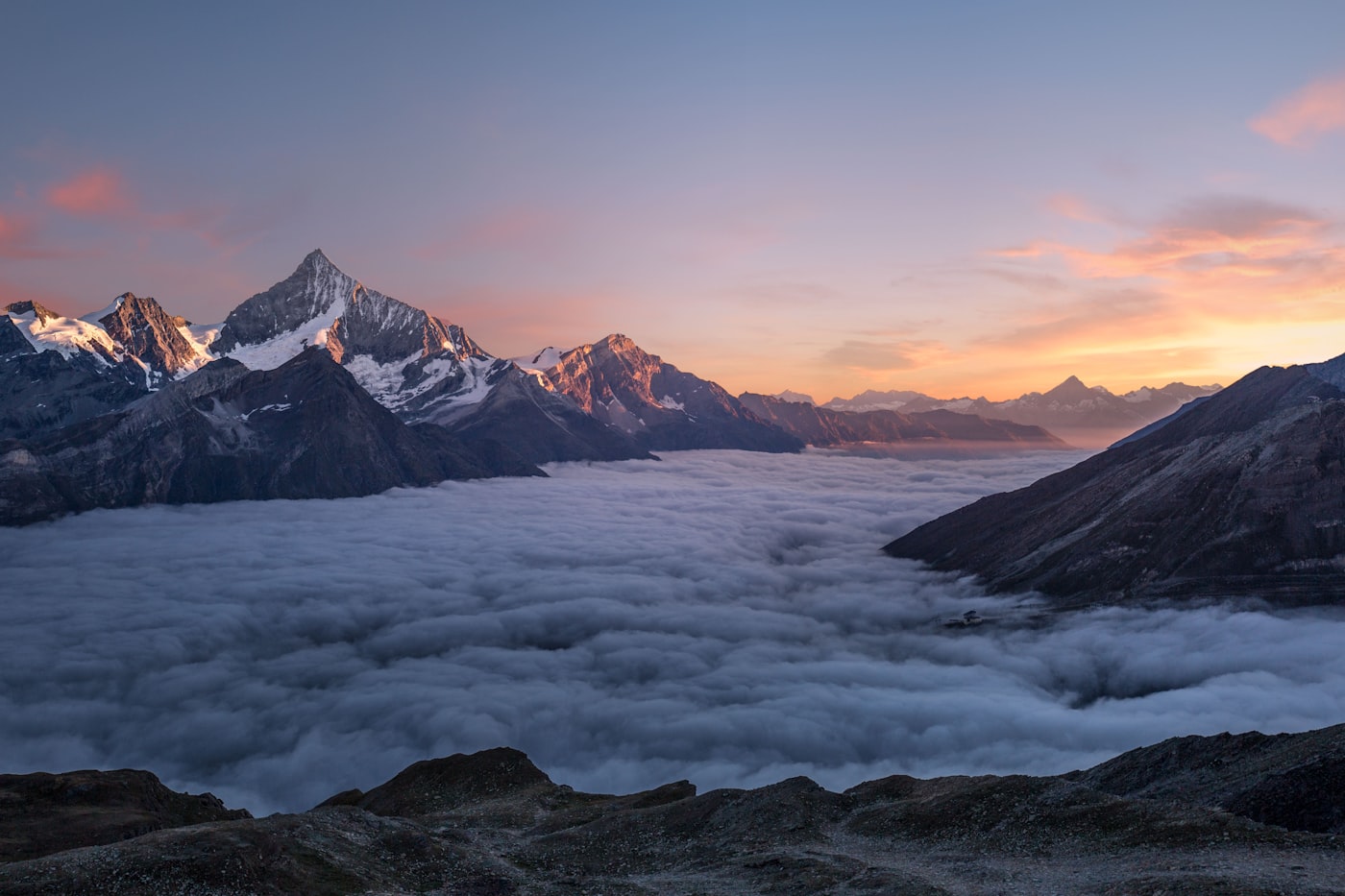
If there is one thing you absolutely must not skip, it is the High Tatras. These mountains are the smallest high range in Europe but they feel enormous, with sharp granite peaks, glacier carved valleys, and alpine lakes the color of cold jade. The hiking is superb and genuinely accessible, with cable cars and funiculars whisking you up to high viewpoints and a network of well marked trails for every level from gentle family walks to serious summit routes. I spent days up there and never once saw the crowds you would find in the Alps, which made every viewpoint feel private and special. Whether you walk a gentle valley loop or tackle a higher route, the Tatras are the reason many visitors fall in love with Slovakia.
Castles Around Every Corner
Slovakia has more castles per person than almost anywhere in Europe, and you start to lose count as you travel, which is part of the fun. Bojnice Castle looks like it jumped straight out of a fairytale with its towers and its red roofs, Spis Castle is a massive ruined fortress perched on a hill that feels like a scene from medieval history, and smaller wooden ones and stone ruins hide in valleys between the bigger names. Pick two or three rather than trying to see them all, because they are spread across the country and each deserves unhurried time. My favorite days here were simply wandering a castle ruin in evening light with almost no one else around, the kind of quiet, atmospheric moment that postcards can never reproduce.
What I Learned About the Food
Slovak food is hearty mountain comfort cooking, and it wears its honesty well. The national classic is bryndzove halusky, little potato dumplings folded with sheep cheese and crisp bacon, rich, filling, and at its absolute best after a long hike in the hills. You will also find excellent grilled meats, thick warming soups, and some of the most underrated local cheeses in Europe, plus a serious beer and wine culture that rewards exploration. The bread and pastries from small bakeries and market stalls were a daily treasure I still think about. Portions are generous, so plan for sharing or arrive with a real appetite, and you will leave every meal satisfied.
Getting Around the Country
A car gives you the most freedom for the castle trail and the mountain valleys, and the roads are well kept with little traffic once you leave the motorway. If you prefer trains and buses, the network is reliable and cheap and connects the main towns and the Tatra resorts comfortably, though it moves at a calmer pace and timetables are not always friendly to tight connections. I used trains across the country and a local bus up into the hills and it worked perfectly. Whatever you choose, leave buffer time and watch the timetables, things run on a calm rhythm here rather than a rushed one, and that is part of the appeal once you adjust.
Practical Notes That Helped Me
The currency is the euro, so budgeting is easy and you do not have to do any currency math in your head. English works well with younger people and in tourist spots, but a few words of Slovak, like dobry den for hello and dakujem for thank you, open doors and earn smiles immediately. Prices are noticeably lower than in Vienna or Prague, which makes Slovakia a great value gateway into central Europe for a traveler who wants quality without the premium. The tap water is good, the wi fi is strong in the cities, and the country is safe, calm, and easy to move through. Pack layers for the mountains regardless of the season, because the weather up top changes faster than any forecast predicts.
Why You Should Go
Slovakia gives you everything that makes European travel worthwhile, dramatic mountains, fairy tale castles, cozy honest food, and genuinely welcoming people, without the shoulder to shoulder crowds of its famous neighbors. It rewards a traveler willing to slow down, point the car at a valley that is not on the postcards, and follow their curiosity. I went for a weekend and stayed a week and a half, and I have been recommending it to everyone since, because it is the rare place that over delivers on every single expectation. Give Slovakia a real chance, not just an afternoon, and it will give you back far more than you packed for.



