

Turin, Italy Travel Guide
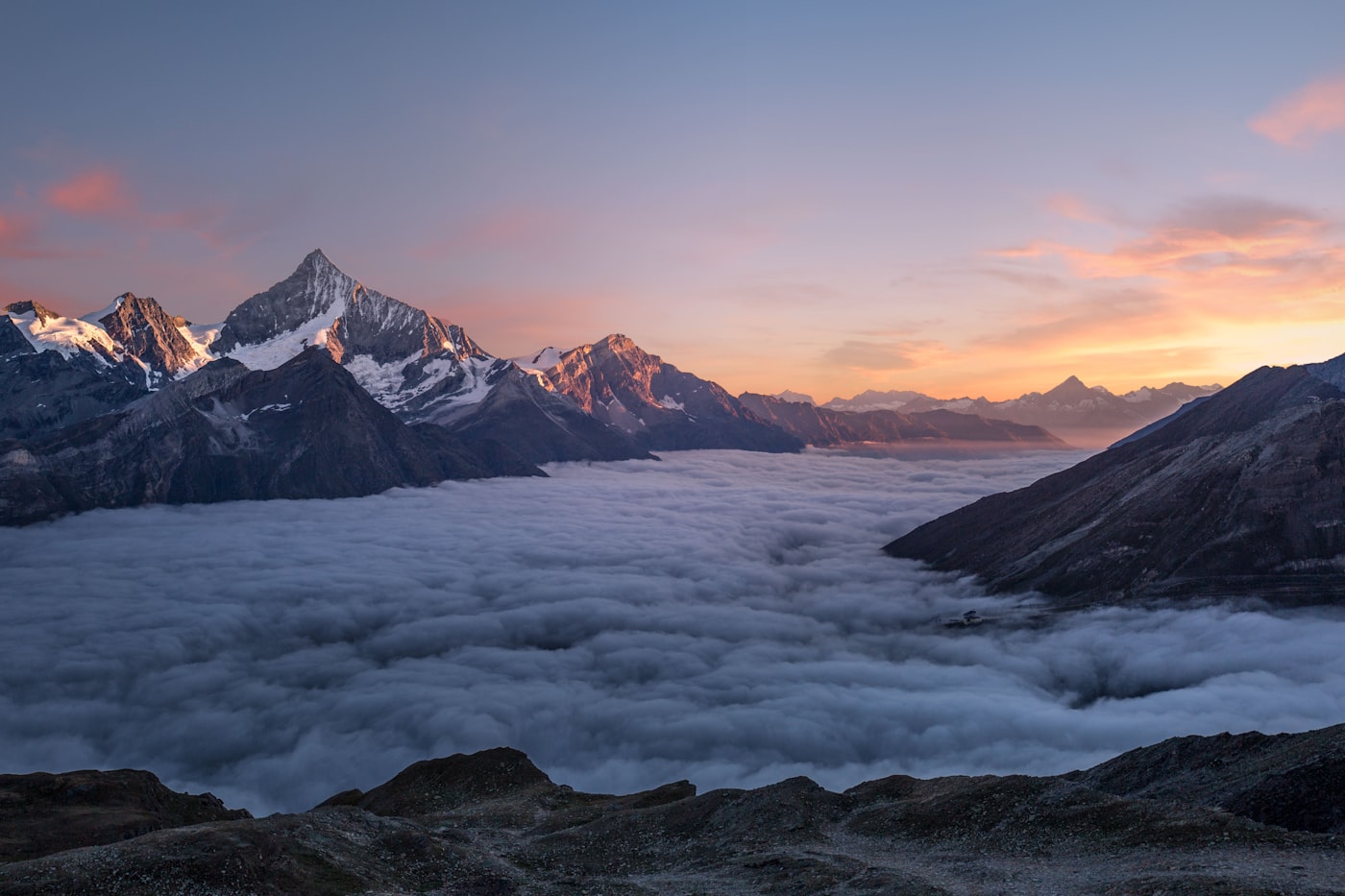
I almost skipped Turin on my first trip to Italy, and I am so glad I changed my mind. Everyone sends you to Rome, Florence, and Venice, but Turin is the city Italians themselves quietly love. It sits in the northwest beneath the Alps, a former royal capital with broad boulevards, covered arcades, and a coffee culture that borders on sacred. This guide is the one I wish I had before I packed my bag, built from a week of wandering its streets and eating my fill.
Getting there and getting around
The easiest way in is by train. Turin’s Porta Susa and Porta Nuova stations connect the city directly to Milan in about an hour on the high-speed line, which makes it a natural stop on any northern Italy route. The city has an efficient public network, and the metro is a single clean line that covers the centre. But honestly the best way to see Turin is on foot. The historic core is flat and compact, and the famous arcades keep you dry when the weather turns ugly, which it does often.
Where to stay
Base yourself in the centro, close to Piazza Castello and Via Po, where every palace and café is a short walk away. The area around the Porta Palazzo market is livelier and cheaper, and the riverside neighbourhood near Valentino Park is lovely if you want morning jogs along the Po. For a classic Turin experience, book an old palazzo hotel with high ceilings and heavy shutters, and accept that the heating will be generous whether you ask for it or not. Book ahead in the cool months, because the good mid-range places fill quickly.
What to eat and drink
Turin’s pride is its chocolate, and the gianduiotto, a nutty cousin of the truffle, is where you should start. The city also shares Piedmont’s wine culture, so order a Barolo with dinner and do not argue. The aperitivo ritual is non-negotiable. Around six every evening the cafés fill with people buying a Spritz and grazing the free buffet, and it can absolutely stand in for dinner. For something hot and humble, the agnolotti pasta in a rich meat sauce is Turin at its most honest.
What to see in a few days
Give Turin at least three days. Day one covers the baroque heart, the cathedral, the courtyard of the Duomo, and the royal palace. Day two belongs to the Egyptian Museum and the Mole Antonelliana, whose glass lift offers the best view in the city. Day three, go north or sample the energy of San Salvario, with its student cafés, markets, and a vibe that feels freshly post-royal and wonderfully alive. If you have a fourth day, lose it in the Valentino Park.
Day trips worth the effort
Do not leave Turin without seeing the countryside it rules. Smaller Piedmontese towns like Alba and the Langhe wine hills reek of truffles and hilltop castles, and the Sacra di San Michele, the mountain abbey that inspired The Name of the Rose, is a spectacular hour outside town. In winter the Alps call, with skiers streaming up to resorts like Sestriere within ninety minutes. These trips are easy on a tour or the regional trains.
Practical notes and final thoughts
Turin works rain or shine because of its arcades, so pack for drizzle and bring comfortable shoes. It is cheaper than the big tourist cities, less crowded, and far more relaxed. Carry a few coins for espresso at the bar, because standing is the Turin way, and leave a little time on the last morning to sit in a café and watch the city go by. It will not shout for your attention, but it will earn it. One word on money and timing. Turin is noticeably cheaper than Rome or Florence, so your budget goes further, which makes the generous aperitivo rounds and the long meals easier to justify. Plan for at least a long weekend, because the museums alone need two full days and the neighborhoods deserve a third. And remember that this is a city of arcades and strong espresso, so lean into both. Stand at the bar for your morning dose, take a proper sit-down for the bicerin in the afternoon, and let the day move around those rituals. Everyone I met, local and visitor alike, swore by the same unhurried routine, and it took me exactly one day to adopt it. Mornings belong to the museums, early afternoons to a long lunch, and evenings to the aperitivo and the best view of the city. Do not be surprised if you catch yourself already planning a return before you leave, because Turin is a city that rewards the unhurried, and the more you linger, the more it gives back.



