

Best Time to Visit Faroe Islands for Mild Weather
Mild is the word that made the most sense to me after a week on the Faroe Islands, because the place does not do extremes. It does not get truly hot in summer or brutally cold in winter. Its greenhouse climate, warmed by the North Atlantic Current, keeps things stubbornly moderate. If what you want is weather that sits in the middle, gentle and livable, the Faroes quietly offer it.
What Mild Actually Looks Like Here
By mild, I mean highs that hang in the low teens in Celsius, winds that mostly stay walkable, and winters that hover around freezing rather than plunging below it. The islands never roast you and never punish you hard. The cost of that moderation is that every season looks a little similar, and you can find yourself in summer wearing the same layers you wore in spring.
That evenness surprised me on my first morning. I had packed for a frigid expedition and found air that was cool but comfortable with a good jacket, almost mellow. Mild in the Faroes is a mood as much as a forecast, and settling into it early saved me from overpacking and over-worrying for the rest of the trip.
The Gentlest Months: Late Spring to Early Autumn
For the mildest conditions, aim from late May through early September. This window holds the highest temperatures of the year, typically 11 to 14 degrees, and the gentlest combination of light, wind, and rain. It is the most forgiving season for walking, hiking, and spending long hours outside without feeling either buffeted or baked.
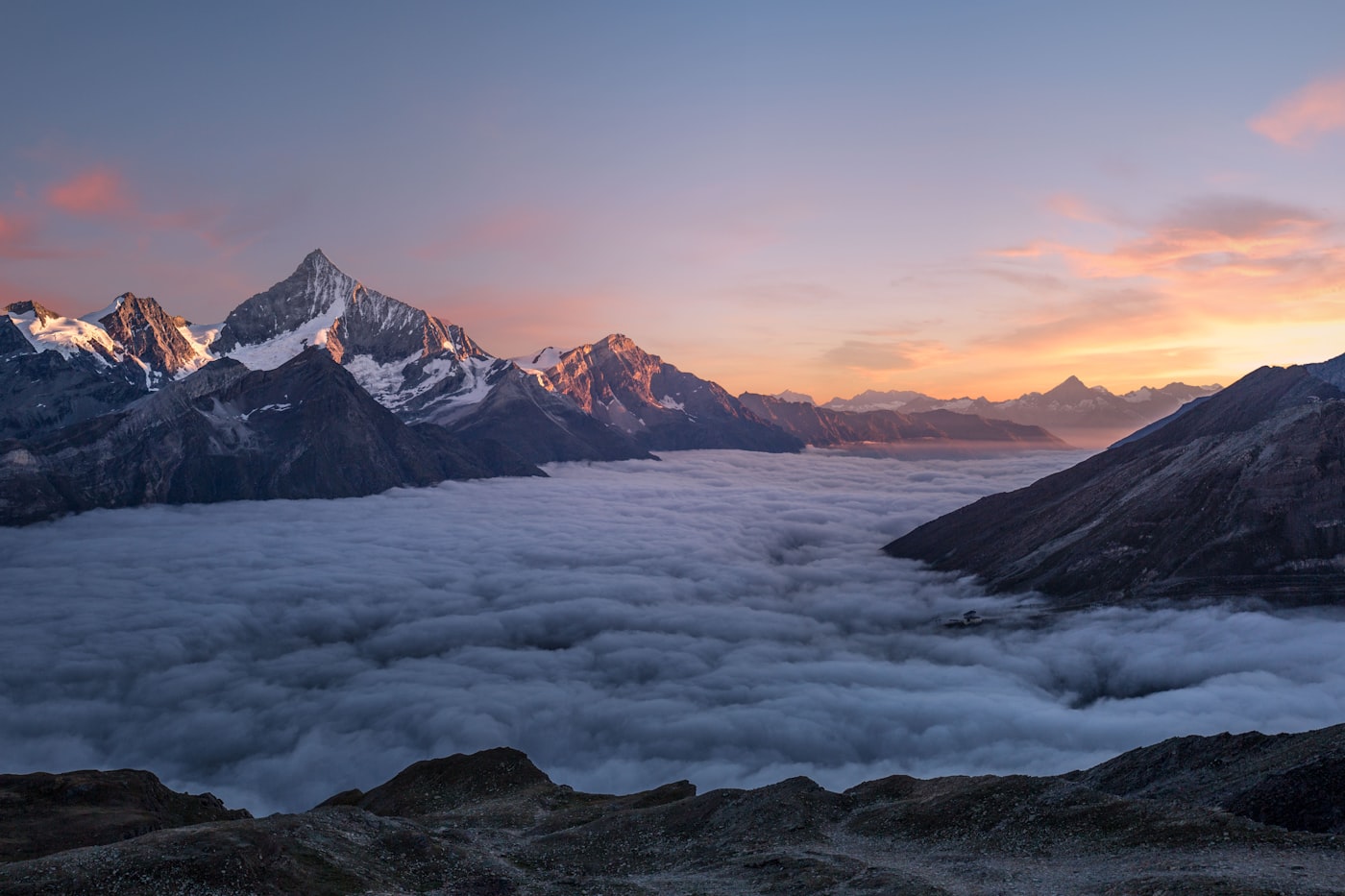
Within that window, the very mildest and most settled stretch is usually June and July, when daylight is longest and the sea is calmest. That is when the puffin boats run, when you can be out at 11 p.m. in soft bright air, and when a fog roll can make the whole world look like a watercolor. Warmth here never becomes a problem you need to escape, and that is a rare luxury in travel.
Balancing Mild with Crowds and Cost
Mild weather is no secret, so these months bring the most visitors and the highest prices. Flights and rental cars vanish quickly, and a bed is easier to find the earlier you book. The trade is worth weighing: come in June for peak mildness and peak convenience, or accept a little more chill in May and September in exchange for quieter roads and lower costs.
September deserves a special mention. The crowds thin dramatically, the light turns rich and golden, and temperatures stay surprisingly mild well into the month. I found early September a lovely middle ground for travelers who want real comfort without fighting the summer rush for every booking and every parking spot.
How to Keep Mild Feeling Mild
No matter the month, mild in the Faroes still means rain and wind on rotation. Your comfort hangs on good gear, not good luck. A waterproof shell, a warm mid layer, and waterproof boots turn a drizzly day into a pleasant stroll instead of a soggy ordeal. I stopped treating rain as bad weather and started treating it as part of the mild rhythm of the place.
Build your days with the forecast in hand but keep them flexible in the middle. I learned to keep a short list of indoor stops for the worst hours, and to save my biggest hikes for the clearing spells that followed each shower. Mild, in the end, is a game of small adjustments made steadily.
For the traveler who wants the center of the range, cool and comfortable and never extreme, the gentle stretch from late May into early autumn is my answer. Come with flexible plans and a proper jacket, and the Faroe Islands meet you with the mildest version of themselves they know how to make.
What I Would Book First
If I planned the trip again, I would lock down three things early: the flight, the rental car, and a guesthouse with a kitchen. Those three decisions set the tone for everything else, and they are the pieces that most affect both your comfort and your freedom. Weather forecasts in the Faroes are worth checking daily, but the real secret is arriving with clothes for four seasons and an itinerary you can tear up without regret. The mild months reward exactly that combination of preparation and looseness, and they turn a potentially stressful trip into the calm one I keep describing.
What Mild Months Offer Beyond Weather
The mild stretch also happens to be when the islands are most alive in practical ways. Ferries run full schedules, guesthouses open their summer wings, and the puffin boats depart on the days the sea allows. All of that activity makes a trip easier to plan, because you are not working around limited winter services or seasonal closures. For me it meant the difference between a vacation and an expedition. If the idea of a relaxed, well supported trip matters as much as the thermometer, the mild season quietly gives you both at once.



