

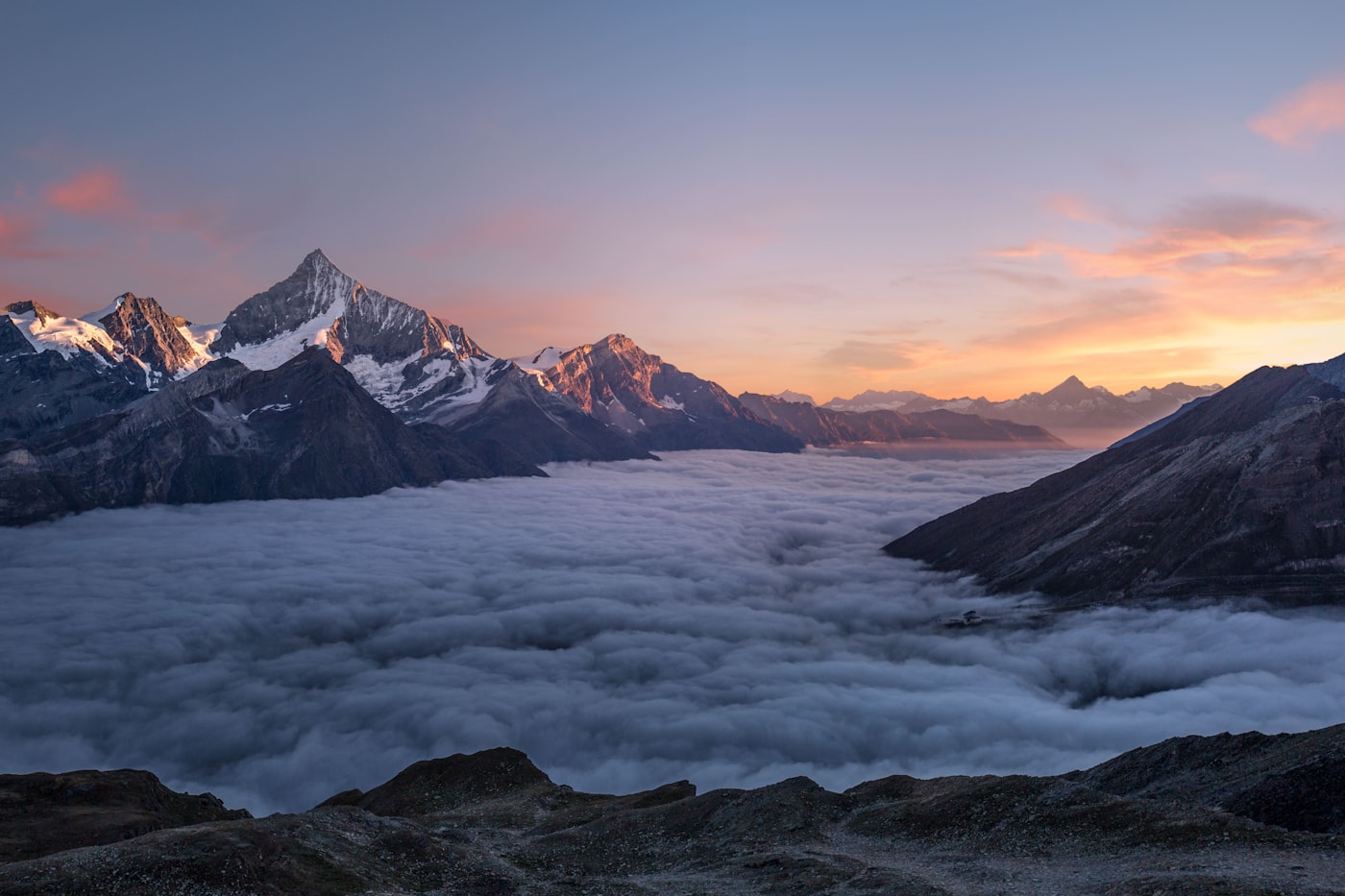
Top 10 Things to Do in Venezuela You Can’t Miss
I spent five weeks traveling Venezuela by bus, by boat, and on foot, and I still think it is the most underrated country in South America. Before you book anything, read the honest part: parts of Venezuela carry serious safety risks, the US government advises against travel here, and you need to plan carefully. With the right preparation and local knowledge, though, the landscapes are unlike anywhere else on earth. Here are the ten experiences I would not skip, with the practical details that matter.
1. Angel Falls from the air and the river
The tallest waterfall in the world drops nearly a kilometer from a flat-topped mountain called Auyantepui. I flew over it in a small plane from Canaima and then took a flat-bottomed boat up the river, where the spray hit my face long before the base came into view. The scale is impossible to grasp until you stand beneath it. This is the centerpiece of Venezuela and worth every logistical headache to reach, but you have to give it several days and accept that boats move at their own pace.
2. The beaches of Los Roques
A national park of sandbars and shallow turquoise water, Los Roques is the Caribbean without the crowds. I flew in from Caracas on a tiny prop plane and spent three days hopping between islands by motorboat, sliding into water that was warm and impossibly clear. Snorkeling is easy here, the fishing is superb, and the posadas are simple but clean. The sunsets alone, all coral and gold across a flat horizon, are worth the flight.
3. Ride the Cable Car to Pico Espejo
In Merida, one of the world’s longest and highest cable car systems climbs from the city to more than 4,700 meters. I rode it at dawn and watched snow come into view above the green valleys, then stood shivering at the top as clouds moved below me. Note that the system runs seasonally and can close suddenly with weather, so check locally before you build a whole trip around it.
4. Walk the streets of Coro
This colonial town near the coast is a UNESCO World Heritage site of pastel houses and sandy streets. I wandered for an afternoon with almost no other tourists in sight, pausing to photograph the painted doorways and old municipal buildings. The colors and the silence feel like stepping back four centuries, and it makes a gentle break between the islands and the mountains.
5. The Llanos and their wildlife
The sprawling plains in the interior are Venezuela’s own version of the Serengeti. From a cattle ranch I watched capybaras, caimans, and hundreds of birds along the riverbanks, and a guided drive at dusk gave me one of the best wildlife days I have had anywhere. The light at golden hour over flat grassland turns everything bronze, and the birdlife alone is a reason to come.
6. Roraima for sunrise
This giant flat-topped hill towers over the borders with Brazil and Guyana. The hike is a tough multi-day trek, but standing at the summit as the clouds rolled below me and the sun climbed over the edge of the world was a moment I still think about years later. The rock formations up top look alien, and camping there at night under a sky crowded with stars is unforgettable.
7. Coffee in the Andes around Merida
Venezuela grows some beautiful beans, and the highlands outside Merida are full of small farms. I drove up switchbacks, sat on a farmer’s porch, and drank coffee that had never left the country. You cannot buy it in a shop back home, so it only exists if you go and find it, which is exactly what makes it special. The mountain air and the view of green slopes made the climb worth every minute.
8. The Cathedral and architecture of Caracas
Few travelers linger in the capital, and for good reason given the security situation. But the historic core around the Cathedral and the old city feels safer in daylight, and it holds real history. I visited with a local friend who explained the buildings and the stories behind them, and it was worth the short detour before heading on my way.
9. The craft towns of the Andes
Small towns like Chachopo and Santo Domingo pride themselves on local weaving and sweets. I bought thick wool blankets and tasted a wildly sweet dessert made in giant copper pots at the street markets. Watching a weaver work at a wooden loom and seeing the rows of yarn was a window into daily highland life that I did not find anywhere else.
10. The Orinoco Delta
I took a dugout canoe through narrow channels lined with mangroves, where the water is dark and the sounds come from everywhere at once. The Warao people who live here still build their houses on stilts above the water, and sleeping in a riverside camp with frogs calling all night is an unforgettable kind of quiet. It feels like the far edge of the country, which in a way it is.
A note on safety before you go
I want to be direct. Venezuela ranks near the bottom for crime, and travel advisories from several governments sit at their highest danger levels. Robbery, kidnapping, and civil unrest are real risks in the cities. I traveled with a trusted local contact the entire time, never moved at night, and avoided the major cities except in daylight with company. Do not go without arranging a reliable guide and a solid plan. If you handle all that, Venezuela rewards you with experiences you will not find anywhere else.



