

Bolivia Budget Travel Guide: Seeing Everything for Less
I have been to a lot of countries, and I can say without hesitation that Bolivia is one of the best value destinations on earth. My whole first week cost less than a single night in a decent hotel back home. The secret is not about skipping things. It is about knowing how the money works here and traveling the way locals do. Let me walk you through everything I learned the hard way.
How Cheap Is Bolivia Really
Quick math, to give you a real picture. A dorm bed runs between three and five dollars. A decent local meal costs two to three dollars. A long distance bus ride across the country, say La Paz to Uyuni, sets you back around fifteen to twenty dollars. I averaged under thirty dollars a day including accommodation, food, and transport, and I was not roughing it.
The great thing is that the boliviano stays pretty stable, and prices are set for locals, not tourists. You are not getting ripped off at every corner the way you might in some better known destinations. That makes budgeting easy and predictable.
Getting Around Cheap
Buses are the backbone of budget travel here, and they are remarkably good value. The long distance companies are comfortable, with reclining seats and even blankets on the overnight routes. I took several overnighters and saved a hotel night every time, which is the classic budget trick that actually works.
La Paz has the famous cable car system, which is cheap, fast, and stunning. Riding the red line over the whole city at sunset cost me less than a dollar and was genuinely one of the best views of my entire trip. Before you pay for any fancy viewpoint, ride the cable cars. You get the panorama for pocket change.
Where the Money Goes
You can split your budget roughly like this. A third for accommodation, a third for food, and a third for transport and entry fees. The tours are where people lose track. A Uyuni salt flat tour, for example, can run a hundred dollars or more, and it is worth it, but it is a lump payment that blows any daily budget.
My advice is to plan those big ticket items in advance and pay cash. The good news is that the absolute highlights, street markets, plazas, the view of the salt flats from the village, cost little or nothing to enjoy.
Eating Like a Local
Street food and market stalls are where you eat cheapest and best. A filling bowl of soup with bread, the classic almuerzo lunch of the day, costs a couple of dollars and is often the best meal of the day. Breakfast of fried eggs, bread, and coffee is barely a dollar.
Drink bottled water and be a little careful with salad in the markets, but honestly, I ate well all trip. The fruit markets are amazing and cheap, and a bag of mandarins for the bus ride is a few cents. Skip the tourist restaurants with the English menus, and follow the lunch crowds.
Free and Nearly Free Highlights
Some of Bolivia’s best experiences cost nothing at all. Walking the crowded market streets of La Paz, where vendors sell snacks, textiles, and mystery herbs, is a full day of people watching for free. The famous Witches Market is fun to browse even if you just look. In Sucre, wandering the white colonial lanes and sitting in the main plaza with a cheap coffee is a perfect free afternoon.
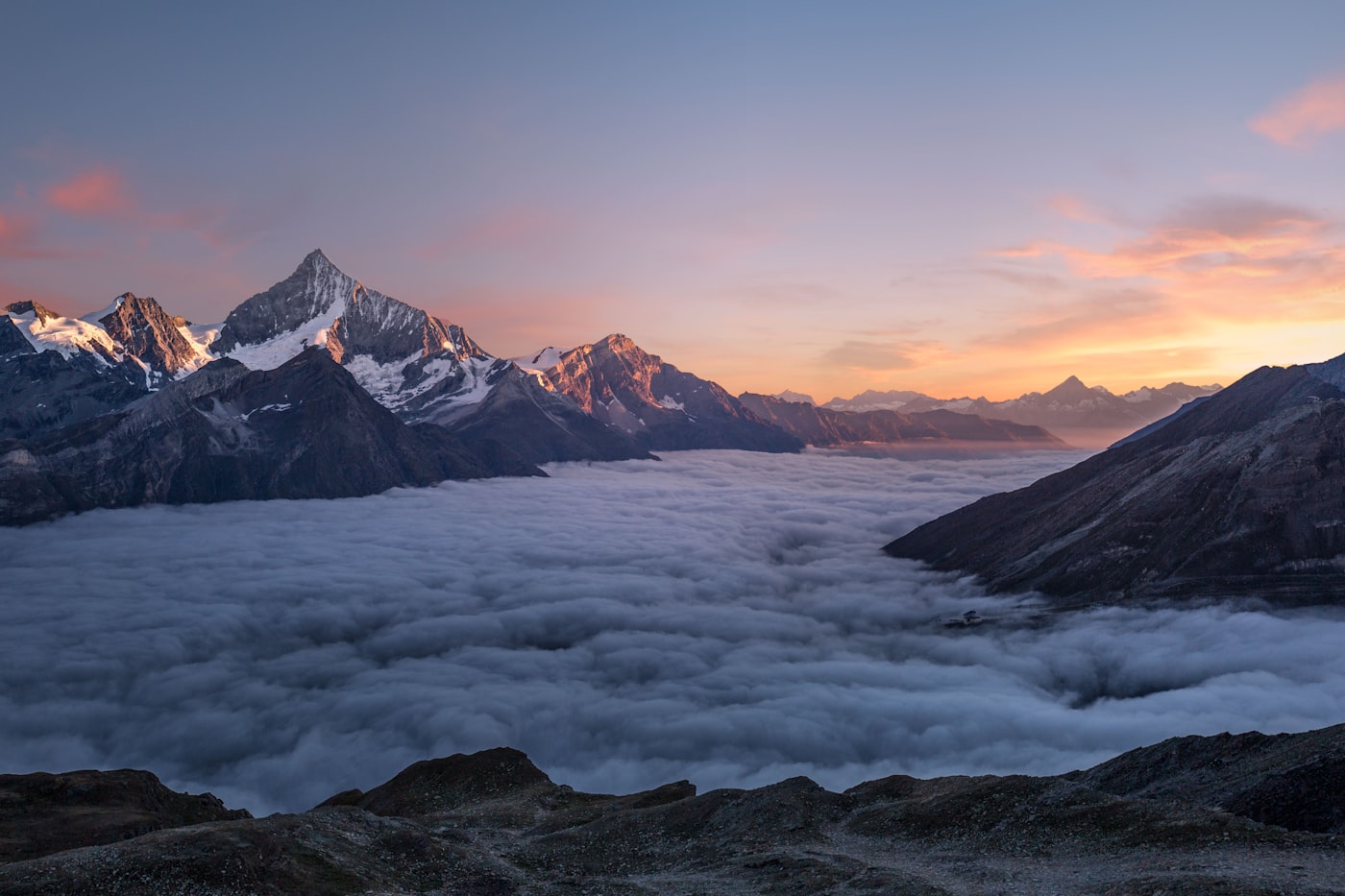
The rooftop views cost nothing either. Find a hostel with a roof terrace and watch the sunset paint the mountains for the price of the bed you already paid for. Bolivia’s landscapes do the heavy lifting, and you only have to turn up and look. Plan a couple of lazy free days into your itinerary and you will fall into the relaxed rhythm of the country without spending a single extra cent.
Surprises That Saved Me Headaches
Cash is still king in a lot of places. ATMs work, but carry some smaller bills because everyone outside the big cities prefers cash and change is scarce. Bolivian ATMs can be picky with foreign cards, so have a backup card and do not let your balance hit zero in the middle of nowhere.
The altitude is the real budget killer, not because it costs money but because it drains you. In La Paz and on the salt flat tour, take it slow, drink lots of water, and do not overplan your first day. A headache in the thin air can make you skip the free walking tour you planned. Slow down, and the trip gets cheaper and better at the same time.
Bolivia rewards travelers who slow down and do things the local way. Budget travel here is not about suffering. It is about eating street food, riding cable cars, and sleeping on buses, and every one of those choices saves you money while making the trip richer. That is the kind of travel I actually want.



