

Catania Travel Guide: An Italian Gateway to Mount Etna
Catania sits on the eastern coast of Sicily, a city built in black volcanic stone under the shadow of Mount Etna. It is rougher and more alive than the polished Palermo, and that is exactly what I love about it. The food is extraordinary, the baroque streets glow in honey and black, and the mountain looms over everything, a constant, restless presence. Here is how to make the most of a visit to this underrated Sicilian gem.
Getting to Catania
Catania Fontanarossa airport is a major hub with flights across Europe, so it is often the easiest way into Sicily,. From the airport, the city center is about ten minutes by taxi or a short bus ride, quick enough that you can drop your bags and be exploring within the hour. Trains and buses connect you onward to Taormina, Syracuse, Palermo, and the rest of the island, so it is both a destination and a convenient base.
When to Go
Spring and early autumn, roughly April to June and September to October, are the best months, with warm but pleasant weather and fewer crowds than the peak. Summer gets hot and busy, which suits beach lovers and the resort crowds, but the heat can be intense. Winter is mild and quiet, and it is the one time you might see snow on Etna’s peak, which makes for dramatic views. Prices rise in July and August and around the holidays, so book ahead for those windows, and remember that the coast keeps things a few degrees milder than the interior.
Where to Stay
Stay in the historic center, near the Piazza del Duomo, to be close to the action and the best food. The streets around Via Etnea have great restaurants and a lively evening scene, with bars and pastry shops open late. For somewhere quieter, look just off the main drag where the prices drop and the character deepens.
Piazza del Duomo and the Baroque Core
The centerpiece is Piazza del Duomo, framed by the cathedral, the town hall, and the landmark statue of an elephant called the Fontana dell’Elefante, carved from lava stone and holding a small obelisk. The whole historic center is a dense grid of baroque palaces and churches, many rebuilt after the devastating earthquake of 1693, all in the same warm volcanic stone that gives the city its distinct honey-and-black look. Wander the alleyways and you will keep stumbling onto open squares, hidden courtyards, and facades decorated with elaborate balconies.
The Fish Market
La Pescheria, the fish market, is the loudest, most colorful two hours of a Catania visit. It runs each morning near the old harbor, and the vendors shout over the catch of swordfish, tuna, and anchovies, while stalls nearby sell produce, nuts, and household goods.
Via Etnea and Local Life
Via Etnea is the grand boulevard cutting through town, lined with shops, cafes, and grand palaces, and it is the spine of daily life. It runs long and straight, with Etna visible at one end on clear days. Follow it out to the Villa Bellini park for a green pause and views over the rooftops, or turn down the side streets for pastry shops selling cannoli and the famous almond granita that Catanians insist on eating Sicilian style, as a breakfast, dipped with brioche.
Castles, Museums, and Theater
The Ursino Castle, once a royal castle on the coast and now sitting inland after the harbor silted up over the centuries, houses a good civic museum with archaeological finds that trace the city’s story. The Teatro Massimo Bellini is a grand opera house named for the composer born here, and its interior is worth a peek even if you cannot catch a show. For a sense of the city’s classical roots, the small Roman amphitheater behind Piazza Stesicoro sits right in the middle of the streets, a reminder of the ancient port city beneath the modern one. These places ground you in how long and varied this city’s history has been.
Mount Etna Day Trip
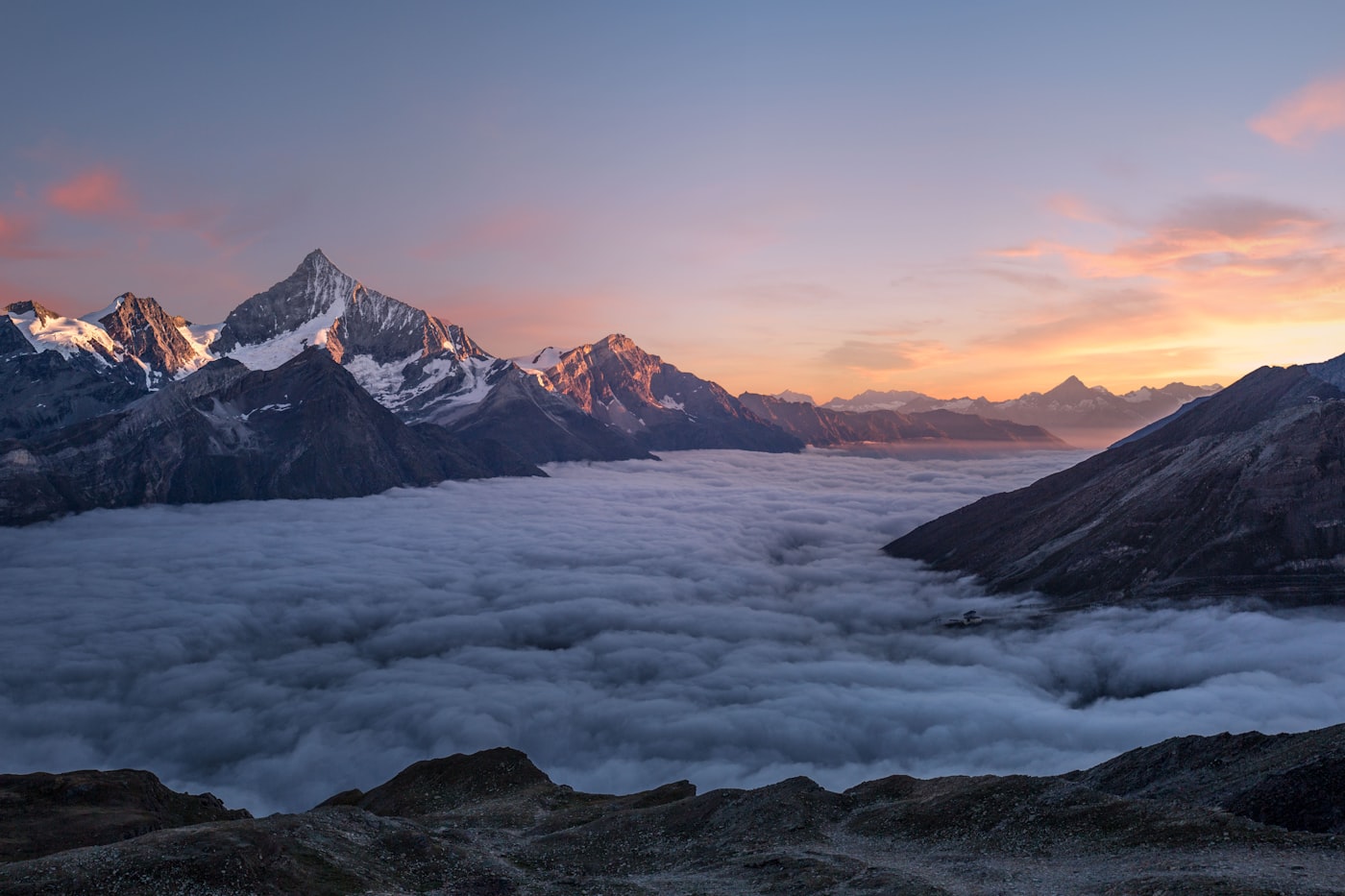
You cannot visit Catania and skip its giant neighbor. Etna is Europe’s tallest active volcano and one of the most active on the continent, and tours run from town up to the craters, where you walk across black moonscapes and see steaming vents. You can go high with a cable car and 4×4 vehicles, or take a gentler route into the forests and villages on the lower slopes, where the lava has built everything from vineyards to churches. The views back over the coast are stunning,.
Food and Drink
Sicilian food in Catania is a world of its own. Pasta alla Norma, with eggplant, tomato, and ricotta, is said to be named for Bellini’s opera, and it is the dish to order first. Arancini, fried rice balls stuffed with ragù or cheese, are street food perfection, and the market sells them hot and fresh. Cooked street seafood, the local olive oil, and the oranges that grow on the slopes round out a remarkable table. End meals with granita and brioche or a cannoli, and wash them down with local wines or the almond milk drink that smells like orange blossom. Sit where the locals sit and let the menu surprise you.
Practical Tips
Cash is still handy for markets and smaller cafes, though cards work nearly everywhere else. Watch your belongings in the crowded market and on public transport, as you would in any busy city. And remember that when locals ignore the pedestrian signals, you should not copy them into traffic that does not stop.
Catania does not dress itself up for visitors. It is honest, lively, and deeply itself, with a mountain at the door and some of the best food in the country. Give it two or three days and it will grow on you like a favorite stubborn friend,



