

Best Time to Visit Managua
I will never forget my first evening in Managua, standing on a rooftop as the sun set behind the volcano that looms over the city. The air was warm and dry, the sky blazed orange, and the lake shimmered far below. That was late January, and it showed me in one glance why the dry season is the time most travellers aim for. But Managua has more than one good season, and the very best time to go depends entirely on what you want out of it.
How the Year Breaks Down
Managua sits in the Pacific lowlands of Nicaragua, at the southern end of Lake Managua and ringed by a line of volcanoes. Its climate has two faces. The dry season runs roughly from November through April, bringing clear skies, dusty roads, and warmly lit sunsets that turn the volcanoes pink. The green season, from May through October, means afternoon rain, lush hills, and clouded skies that cool the city down. Neither is bad, they just serve very different kinds of travel.
The Dry Season: November to April
If you want dependable sunshine and an easy schedule, this is your window. From December through March the weather is at its most settled, with warm days and pleasantly cool nights. This is when the city feels most energetic, with markets busy and the lakeside paths crowded at dusk. Flights run smoothly and you can plan day trips without watching the sky. I found late January and February perfect for a week of wandering, with barely a drop of rain the whole time. Expect higher prices and more company, since this is when most visitors arrive.
The Green Season: May to October
The rainy months used to scare me, until I actually tried them. Between May and October the mornings often start clear and bright, then a storm rolls in by mid afternoon and clears the air. The city turns wonderfully green, the volcanoes look dramatic under billowing clouds, and hotels drop their prices sharply. If you travel on a budget or crave solitude, this is a gift. Just carry a light rain jacket, plan around the weather, and embrace the shortened afternoons. My quietest, cheapest trip to Managua happened in late September, and I loved every minute.
Things Worth Planning Around
Nicaragua celebrates its biggest holidays in December, when family gatherings, fireworks, and street parties fill the city. The atmosphere around Christmas and New Year is joyful, but accommodation fills fast and prices climb. Seasons also change how the city looks. In the dry months the hills turn golden brown, while in the green season they turn lush and tropical. Have a clear view of your own priority, sunshine and ease, or low cost and green scenery, and the right month becomes obvious.
My Earliest Memory
What to Pack for Managua
Packing for Managua comes down to two words, light and loose. Breathable cotton keeps you comfortable through the warm days, and a light jacket or hoodie saves you during the cooler evenings of the dry season. If you arrive in the green months, add a compact rain layer because the afternoon storms come quickly. Sturdy shoes help for volcano walks and market stalls alike, while a wide brimmed hat and sunscreen make the midday sun far more bearable.
Volcanoes and Weather Together
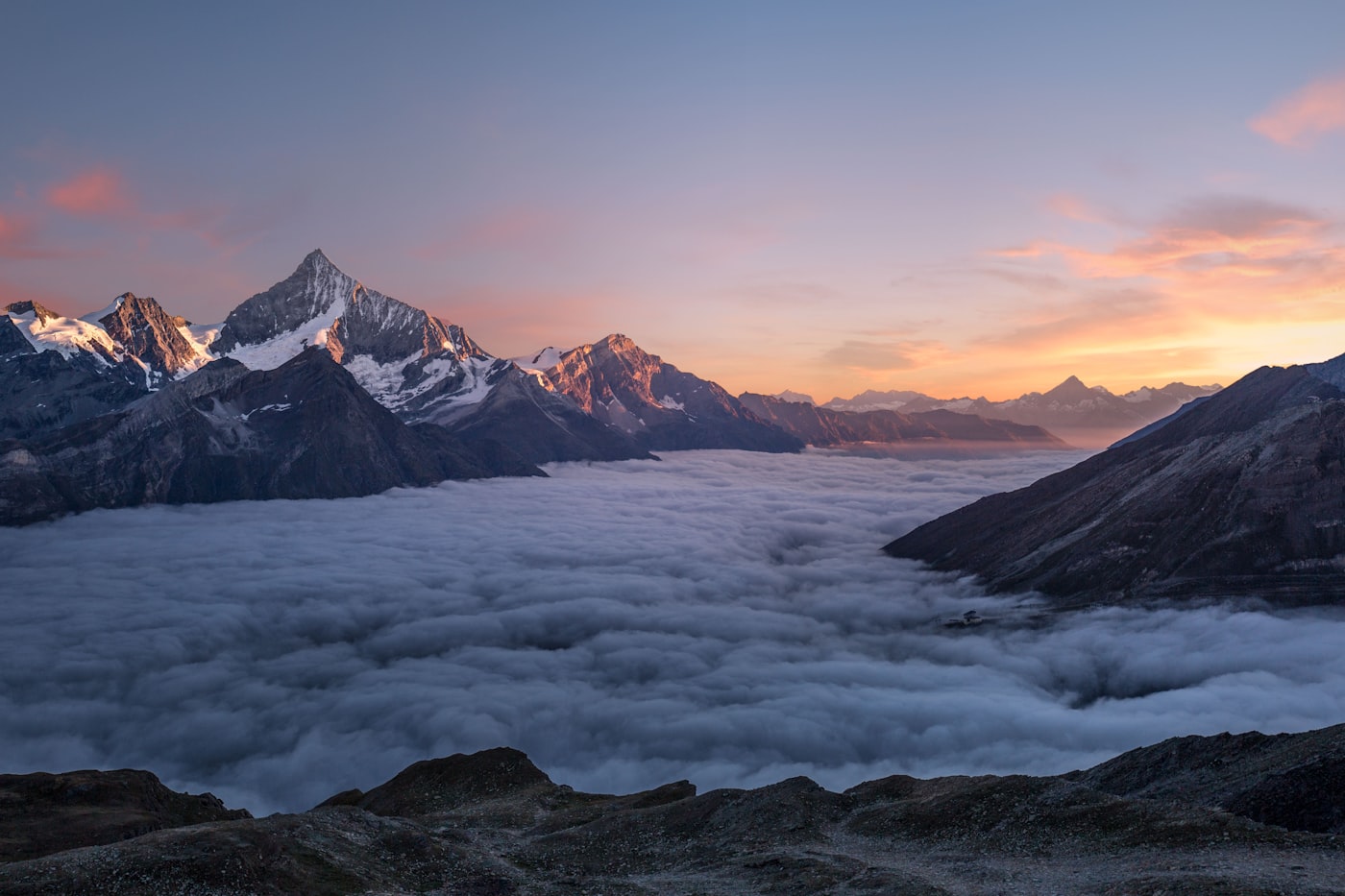
Part of Managua’s weather magic is how it pairs with the landscape. On clear dry season days the volcanoes on the horizon appear sharp and dramatic against a bright blue sky. In the green season, gathering clouds wrap the peaks and turn the whole scene moody and lush. I have watched the same volcano change character completely between seasons, which made me appreciate that there is no wrong time to look at these shapes, only different versions of the same wonder.
A Final Word on Choosing
In the end, choosing your Managua dates is about honesty with yourself. If assured sunshine and easy plans matter most, aim for the dry season and accept the company. If you value low prices and green scenery and handle a daily downpour with grace, the rainy months reward you richly. I have loved Managua in both seasons and would happily return in either. Match the month to the traveller you are, and you will find the city meets you more than halfway, whichever dates you settle on.
What sold me on Managua was never the weather report, it was the light. On that first dry season evening the whole city glowed in shades of gold, and the silhouette of Volcán Momotombo rose like a greeting across the lake. I have come back in the wet season too, and found a quieter, greener, friendlier city that felt like my own secret. My honest advice is to visit in the dry season for your first taste, then return in the green months if you fell in love. Either way, pack for warm days, carry a light layer for nights, and bring curiosity above all else. Managua will do the rest.



