

10 Best Things to Do in Ngorongoro Crater
The Ngorongoro Crater is a collapsed volcano that left behind the largest intact caldera in the world, a bowl of grassland, marsh, and lakeshed filled with the big game of East Africa. I drove down into it on a single unforgettable day and came back understanding exactly why it is called the eighth wonder of the natural world. Here is my list of the best things to do in Ngorongoro Crater and its surroundings.
1. Catch the first light on the crater rim
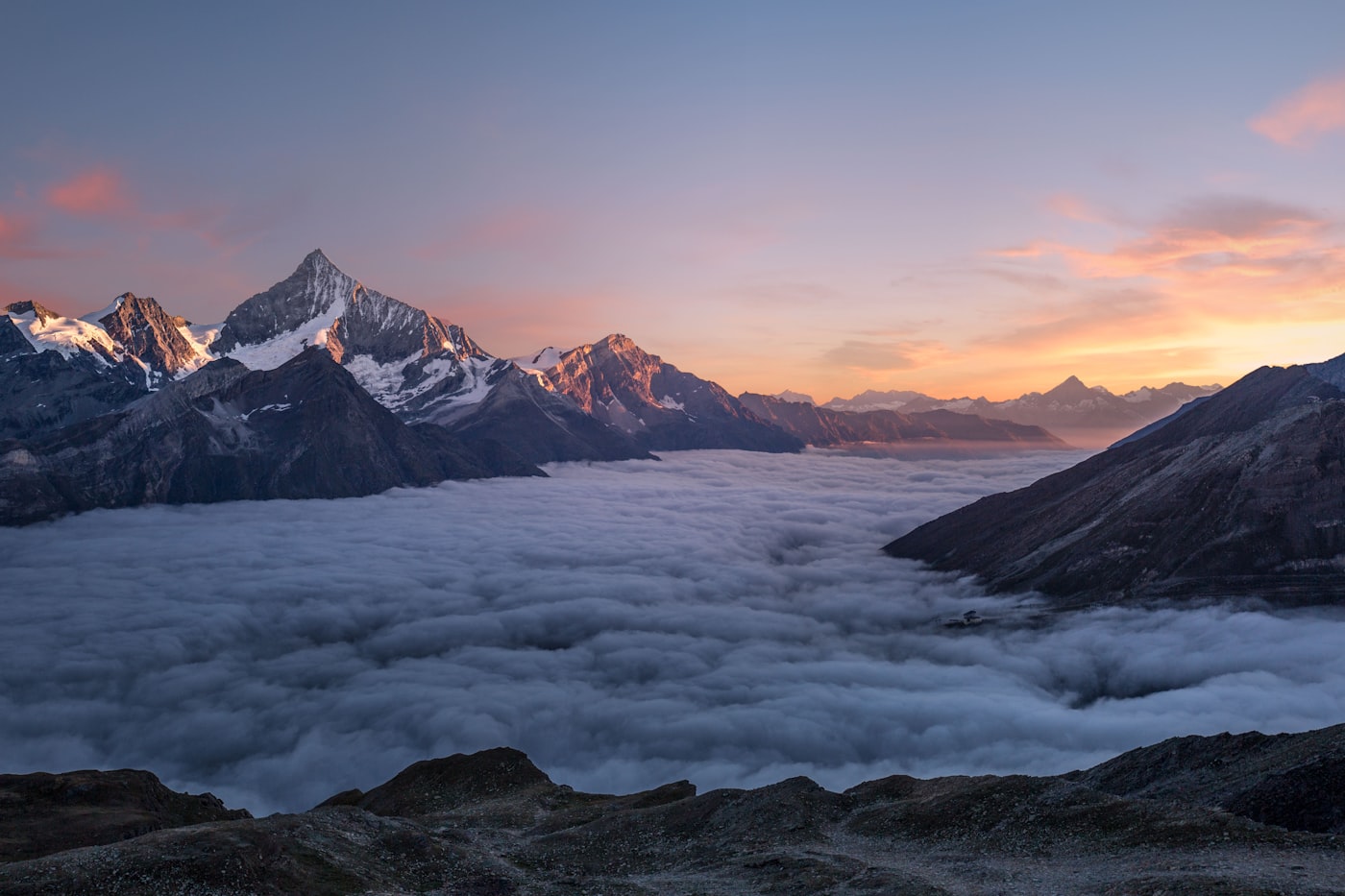
Before the gates open, guests gather on the high rim of the caldera as the sun clears the eastern wall. I stood there with a coffee while the mist lifted off the floor two thousand feet below, revealing the patchwork of grassland and water all at once. It is the dramatic overture to everything that follows. The viewpoints along the drive to the descent are worth stopping at for the sheer scale of the bowl.
2. Go after the big five on the crater floor
The floor of the crater packs a breathtaking amount of wildlife into one place. In a single circuit in my pop top jeep I saw elephant, buffalo, lion, and rhinoceros, with the black rhinos among the toughest to track down but the guides are skilled at finding them. The open grassland makes for easy spotting, and the sheer density of animals is like nothing else. Leopard hide in the trees along the Lerai forest on the crater’s west side.
3. Walk the edge of the soda lake
In the middle of the crater sits Lake Magadi, a shallow soda lake that is a shimmering sheet of flamingos and hippos. I drove up to the water’s edge and watched hundreds of rose coloured flamingos wading in the pink shallows while pod after pod of hippo wallowed offshore. It was the most colourful corner of the whole crater, and the birds only multiply in the dry season. The light here in late afternoon is extraordinary.
4. Find the lions on the plain
Lions live in good numbers here because the crater is a natural enclosure of prey. I tracked down a small pride resting under an acacia not long after sunrise, and later saw another group feasting on a recent kill. Because the crater is fenced by its own walls, the cats stay put, making them far easier to observe than on the open savannah. The guides work a network of shared radio calls to point you their way.
5. Watch elephant families cross the swamps
Part of the crater floor is marshy, and the elephant herds love to wander through the tall reeds with calves keeping close. I sat for a long stretch watching a family drink and roll in the mud, the dust rising in the warm air. The wetlands on the western floor are the place to find them, along with masses of waterbirds. It is a slow, meditative kind of safari watching, and one of my favourite hours of the trip.
6. Descend with a full morning on the floor
The descent road winds steeply down the crater wall, and arriving as the gates open gives you the best wildlife hours before the crowds thicken. I planned my day so the morning light warmed the floor as I pictured the whole valley below. The graded track is smooth enough, and having your own vehicle with a good driver means you can linger at every herd. Budget a full day; half days feel too rushed.
7. Visit a Maasai village on the rim
Around the crater, Maasai herders tend their cattle on the high grassland, and several communities welcome genuine cultural visits. My driver introduced me to a village where I joined part of a welcome dance and learned how the warriors and their families manage cattle and daily life in this landscape. It gave me a far deeper respect for the people who share this land with the wildlife. Support the guides and locals fairly, and ask questions.
8. Look across to the other ancient craters
The wider conservation area holds other volcanic landmarks worth seeing from the rim roads. I stopped at the viewpoint over the active crater of Empakaai, a deep bowl now holding a blue lake ringed by forest, and looked toward the peaks of the highlands beyond. The sense of standing in a field of ancient volcanoes is humbling. Take the time on the northern rim routes for these panoramas between the main sites.
9. Watch the sun go down from the caldera floor
Toward dusk the crater empties out and the light turns soft and golden across the grass. I drove a final loop as the sun dropped behind the rim, watching wildlife gather at the last water holes and the flamingos lift in waves from the lake. The silence of the valley at that hour, broken only by bird calls and distant grunts, is a memory that stays with you. You need the ranger permits for late hours, but the afternoon drive is worth every minute.
10. End with the sunset from the lodge viewpoint
Back at the rim, most lodges have a sweeping terrace that faces over the caldera. I finished my day with a drink as the whole bowl turned to shadow and then to a field of dark blue, with lights far below marking the rangers’ camp. It is a lonely, beautiful finale to an intense day. Watch for the herd of buffalo and the evening elephants that drift past the camps for another wildlife bonus after dark.
Ngorongoro is a short but powerful experience that slots perfectly into a Tanzanian safari. You get dense wildlife, grand volcanic scenery, and a moving look at Maasai culture all around one crater. Bring binoculars, warm layers for the cold morning rim, and a calm patience, then let the crater do its work. It will be the day you talk about for years.



