

Things to Do in Maseru: Lesotho’s Uplifted Capital
I landed in Maseru expecting a quiet border town, a place people pass through on the way to Katse Dam or the Maluti mountains. I was wrong. The capital of Lesotho sits above 1,600 metres, wrapped in ochre hills, and it turned out to be one of the most surprising stops on my southern Africa loop. It is small, walkable, and genuinely friendly once you slow down. Here is how I spent my time, and what I would repeat on a second visit.
Walk Kingsway and the City Centre
Nearly everything in Maseru radiates from Kingsway, the main road that runs from the border with South Africa into the heart of the city. I started my first morning just strolling, no plan, watching street vendors lay out fruit and phone chargers and second-hand shoes on blankets. Stop at the Basotho Hat, the big conical monument that doubles as the city’s logo, and spend a few minutes in the shade of the National Library garden nearby. The blocks around the Palace of Justice are sprinkled with murals, and the mix of colonial-era buildings beside newer glass fronts tells you almost everything about how this city grew.
Shop at Maseru’s Craft Markets
The markets here reward patience. I found my favourite things not in the tourist shops near the border but at the open-air craft stalls around Shoprite and along the side streets off Kingsway. Basotho women weave the iconic conical mokorotlo hats and the striped Basotho blankets that you will see on everyone. I bought a small woven basket for about the price of a decent lunch, and haggled politely without ever feeling pressured. If you want colour and noise, time your visit for the weekend, when the stalls fill out and the pace picks up.
Eat at a Maluti Highland Restaurant
Food turned out to be a highlight I had not planned for. My best meal was at a local spot serving traditional Motšoako stew with papa, the soft maize porridge that underpins most meals here, plus wilted moroho greens. I convinced a cook to show me how moroho is prepared and came away with enough pidgin Sesotho to say thank you properly. For something quicker, grab a kotleta (a pattie on bread) or a warm fat cake from a roadside kiosk. Ask a taxi driver where they eat, not where the guidebook points you, and you will eat well on almost nothing.
Take the Short Hop to the Lesotho National Museum
The Lesotho National Museum, opened in 2020 where the old one collapsed, is a small but sharp introduction to the country. I wandered the geology and palaeontology rooms first, then spent longer than expected over the exhibits on the Basotho people, their migration under King Moshoeshoe I, and the forts they built on the mountain tops where they hid cattle from raiders. Allow an hour. The building sits a little south of the centre, but a short taxi ride gets you there, and the quiet makes it worth the detour.
Ride Out to the Plateau and the Grain of the Land
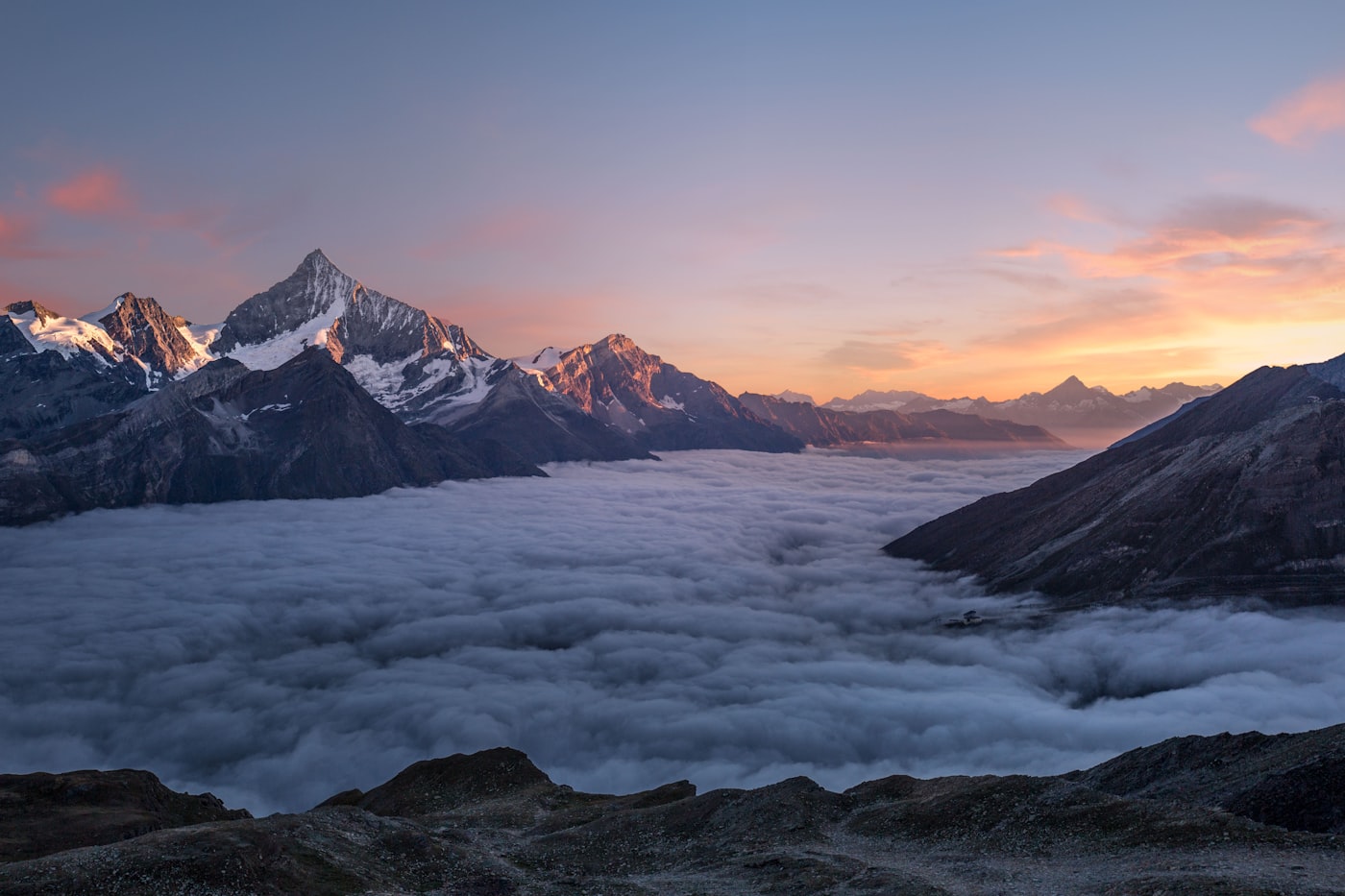
Do not leave Maseru without going up. I hired a local driver for an afternoon and we climbed out of the valley, past the brick houses of Ha Abia and into the high grasslands where the road unrolls a panorama of the Drakensberg and Maluti ranges. The light at that altitude is sharp and dry, and the air is noticeably thin. Plenty of outfits and drivers run half-day trips to nearby rural villages, the airport plateau viewpoints, or the rose farm at Mazenod just outside town. I wished I had booked a full day. Even a few hours up there changed how I understood the whole country: land that tilts up, carved into terraces and studded with rondavels, with cattle as far as you can see.
Cross the Border and Back for the Contrast
One of the strangest and most useful things I did was simply cross into Ladybrand in South Africa for an afternoon and then come back through the gate at the end of Kingsway. The contrast is stark: one side smooth tar and chain stores, the other a smaller, slower, more handmade city. The border is one of the busiest land crossings in the region, so expect a queue and bring your passport anywhere near it. Going out and back underlined for me why Maseru is such a good base, not just a gateway to the mountains but a real place with its own rhythm between two countries.
When to Go and What to Pack
Maseru sits high, so evenings cool off fast even in summer, and winter nights drop well below freezing. I visited in autumn and loved the clear skies. Bring layers, a warm jacket for the night, and a hat against the high-altitude sun. Cash is king for street stalls and markets, though cards work in the bigger supermarkets and hotels. A phrase of Sesotho will open doors: a warm lumela (hello) and a careful kea leboha (thank you) went a long way for me.
Maseru rewards the traveller who stops expecting a transit town and treats it as a destination. The museums, the markets, the stew in a crowded dining room, and the long golden view from the plateau all showed me a capital with more to offer than any map suggests. I arrived planning one night and stayed four. Give it two days at least, and let it surprise you the way it surprised me.



