

Maseru Travel Guide: Inside Lesotho’s Mountain Capital
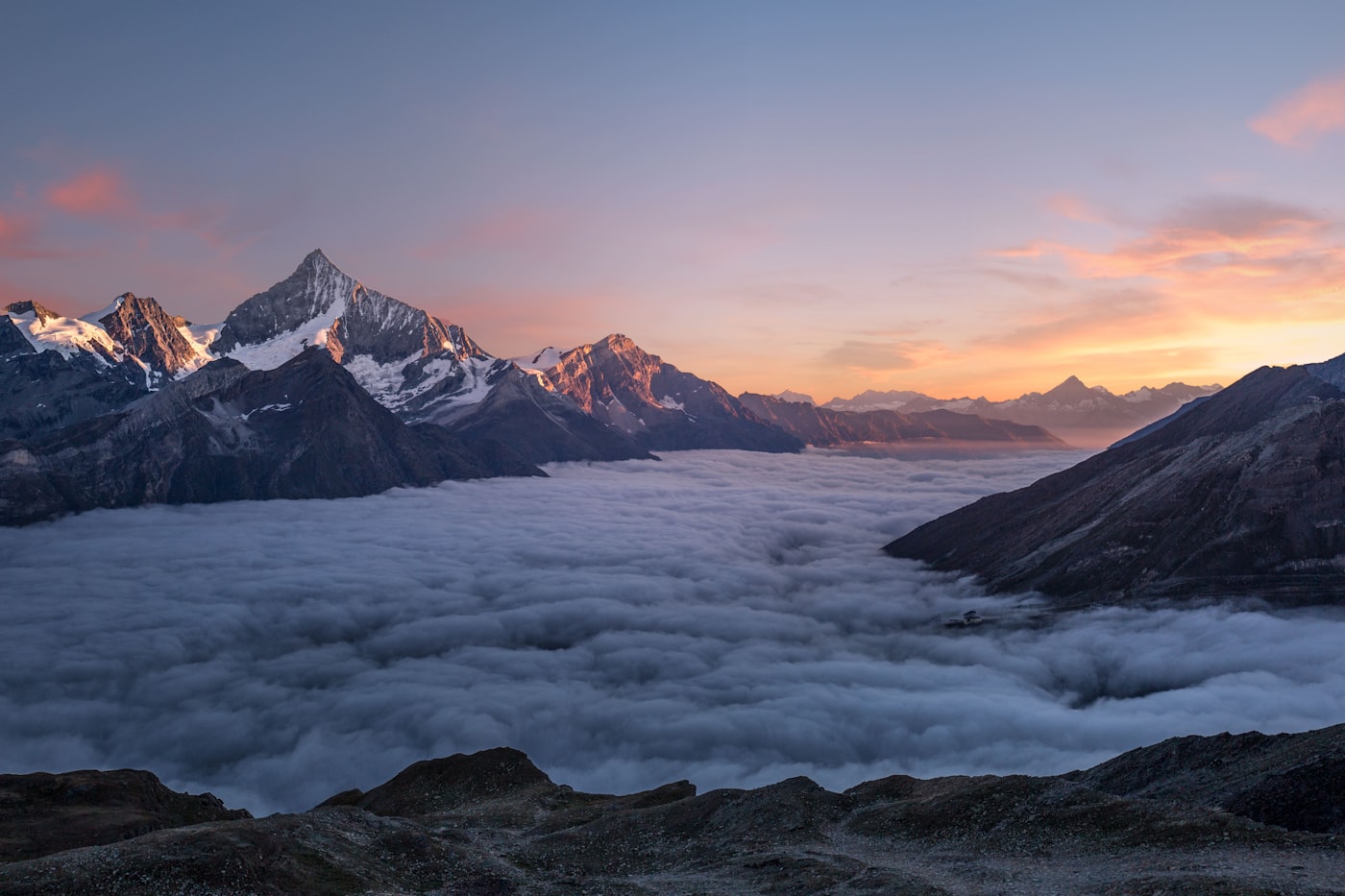
Most travelers who visit southern Africa treat Lesotho as a blur seen from a rental car window on the way to the Drakensberg. I nearly did the same. Then I spent four days in Maseru, its capital, and understood what I would have missed. Tucked against the Caledon River at nearly 1,500 meters, Maseru is one of Africa’s highest capitals, and that altitude shapes everything about it: the crisp air, the big sky, the way the whole city tilts toward the mountains.
Why I went to Maseru at all
I will be honest. Maseru does not appear on many bucket lists, and that is precisely why I booked the flight. I wanted a city without a checklist, a place where I had to wander and find my own reasons to stay. The gateway is simple. You can fly into Moshoeshoe I International Airport from Johannesburg on a short hop, or cross the border by road at Maseru Bridge. I flew in, and the descent alone was worth it: the escarpment falls away and the little capital appears in its green valley like a settlement that decided to hold its ground.
What surprised me most
The first thing I noticed was the calm. Maseru has traffic and noise like any city, but it never felt frantic. People greet each other in Sesotho on the street, and the pace of life seems to respect the thin air. At dawn the mountains stand close and blue, and by mid-morning the markets along the main streets fill with vendors selling fruit, woven blankets, and the straw hats that riders wear in the highlands. I bought one almost immediately. I have not quite figured out how to wear it, but I have no regrets.
Where to wander
Start at the Central Bank grounds and the modern shops around the CBD, but do not linger there. The real Maseru lives a little off the main drag. The handicraft market near the border post is the best place to pick up Basotho blankets, the thick wool ones patterned in geometric stripes that you will see everyone wearing. They are not souvenirs here. They are workwear against the cold, and if you plan to head into the mountains, buy a good one and let a local show you how to fold it.
The riverside is worth an hour as well. The Caledon River marks the border with South Africa, and from the walkways you can watch waterbirds while trucks queue at the crossing. It sounds plain, and it is. That is the charm. I sat with a takeaway coffee and simply watched the city go about its morning, and it was one of the most relaxing hours of any trip I have taken in years.
What to eat
Lesotho’s food is honest and filling, built for cold weather and hard work. The classic is papa, a stiff maize porridge, served with moroho, a cooked green vegetable, and often a meat stew. I ate it at a small restaurant near the bus rank, the kind of place with plastic tables and no menu, and it was the best meal I had in the country. Watch for steam off the potjie, the three-legged cast iron pot, and do not be shy about ordering more.
After dark the city warms up. A handful of restaurants serve good grills and local lagers, and on weekends the vibe gets genuinely lively. Ask your guesthouse for a recommendation, because Maseru’s nightlife runs on word of mouth more than on review sites. Follow it.
Getting around
Walking is fine for the central core, and the air will keep you honest about how far you have come. For anything farther, minibus taxis run the routes and cost almost nothing. They are fast and occasionally chaotic, exactly what a local transport should be. For the airport or a day trip, arrange a car and driver through your accommodation; it is affordable and removes the stress.
Day trips from the capital
Stay a day longer than you planned, because Maseru is the launch pad for the best of Lesotho. The Katse Dam sits a few hours into the mountains, a vast concrete wall holding back water for South Africa, and the drive up climbs through hairpins and village clusters that feel untouched by time. The Afriski resort near the border brings winter skiers, which still surprises me no matter how many times I say it. And the Maletsunyane Falls near Semonkong drop close to 200 meters into a canyon and are worth the rough road to reach them.
Practical notes
Bring cash. Cards work at the bigger hotels and shopping malls, but street vendors and small restaurants take notes. The currency is the loti, which is pegged to the South African rand, and the rand is accepted everywhere, so you often do not need to change money at all. Winters are cold and clear, summers are warmer with afternoon thunderstorms, and the altitude means the sun is strong; sunscreen matters more than you expect at that height. Sesotho greetings go a long way. A simple
Dumela
, meaning hello, opened doors for me all over the city.
I came to Maseru with no expectations and left convinced that the quiet places are the ones that reward you most. There is no monument here that will change your life. There is a city with a beating heart, a culture wrapped in brilliantly patterned blankets, and a skyline of mountains that makes any view from a hotel window feel like a painting. Go before everyone else does.



