

Best Time to Visit Monrovia, Liberia
I booked my flight to Monrovia with almost no idea what the weather would do. Everyone told me Liberia was hot and rainy, which was technically true but useless as advice. Then I landed, watched the sky go from blue to slate in the span of an afternoon, and realized the calendar mattered far more than I had expected. That trip taught me how to read Monrovia’s seasons, and it saved me a flood of ruined plans on my second visit.
Monrovia hugs the Atlantic coast on a sliver of land between the St. Paul and Mesurado rivers. It sits just north of the equator, which means the temperature barely moves. The real variable is rain, and rain defines how you spend your days here. Getting the timing right is the difference between wandering the beach in a light shirt and sheltering under a market stall while the gutters fill.
A City of Two Seasons
Monrovia does not have four seasons. It has a long wet season and a long dry spell, with a hazy buffer in between. The dry season runs roughly from November through April, when the dust-laden harmattan wind blows down from the Sahara and the sky settles into a thin, pale blue. This is the window I would pick, especially the stretch from December to February, when the city is at its most comfortable and the ocean is calm enough for a proper swim.
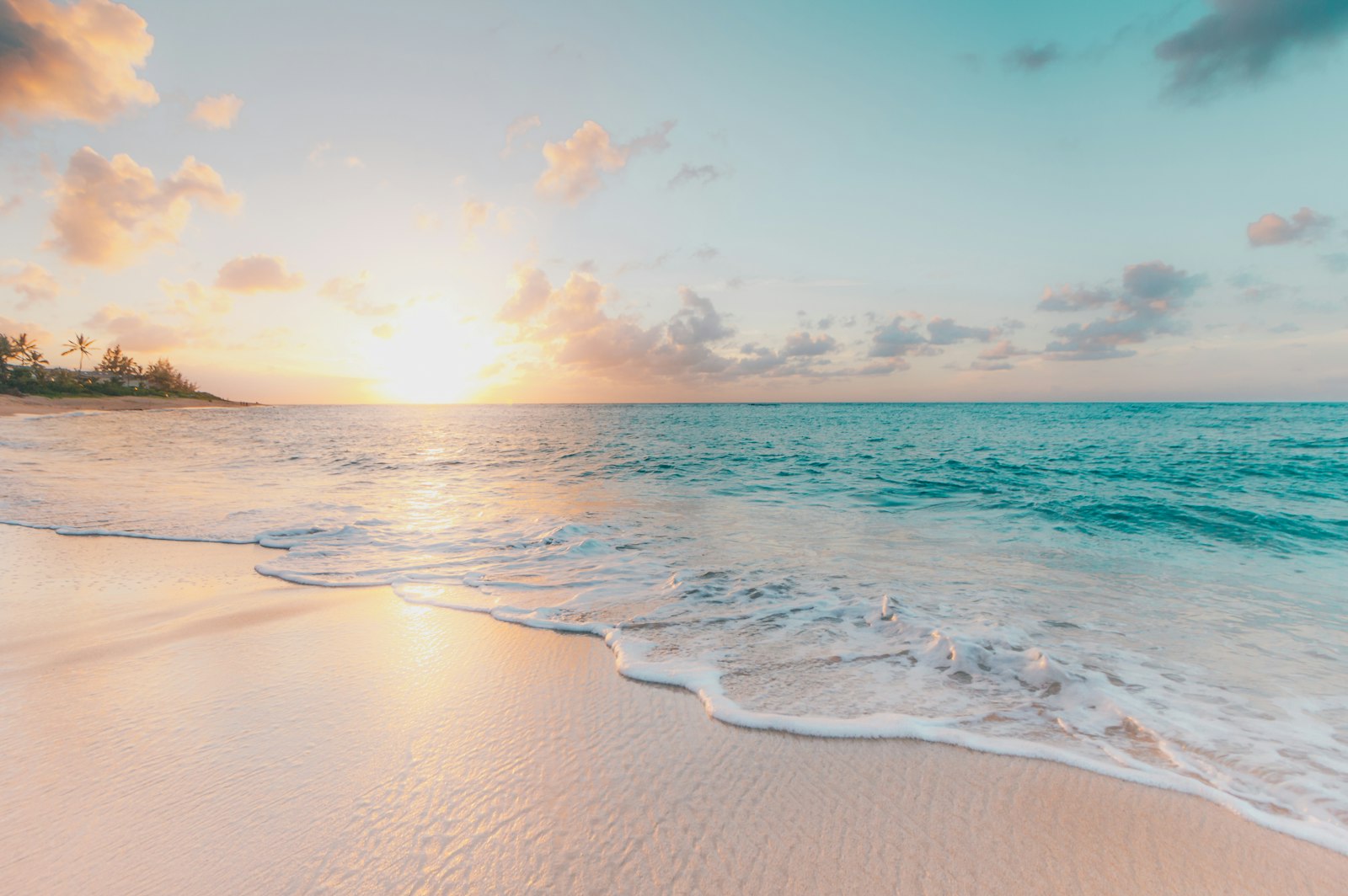
During those months I strolled the sands at Thinkers Village and rode the beach motorbikes near the old lighthouse without once rushing for shelter. Evenings stayed warm but not oppressive, and the harmattan haze gave the sunsets a soft orange glow that I still think about. If you want to visit nearby spots too, like Robertsport to the northwest, the dry season keeps the laterite roads passable and the surf clear, which matters if you came to ride the famous waves.
The Wet Season Reality
From May through October, Monrovia empties its clouds over the city almost daily. Rain tends to arrive in the afternoon in rolling sheets that can turn the red earth streets into sticky mud within minutes. I learned the hard way that an umbrella is not optional here. My first wet-season trip ended with a phone sealed in a plastic bag and a pair of boots that never fully dried.
The flip side is that this is when the city feels greenest and least crowded. August is the wettest month, with the heaviest downpours and the lowest ocean clarity, so diving and snorkeling are poor bets then. Yet the wet season has its charms. The air cools down refreshingly after each storm, hotels and guesthouses often drop their rates, and the Independence Day festivities in late July bring a celebratory mood to the streets that I found hard to resist.
Shoulder Months and Little Things
My favorite visiting window falls in the shoulder months, around October to November and again in April to early May. The rain is easing off, the crowds have not returned, and the weather is a fair compromise. I have watched a full week in late October pass with only a brief evening shower each day, which left me plenty of dry hours to explore the National Museum, browse the markets around Waterside, and wander the government buildings near Capitol Hill.
One detail worth knowing: even in the dry season, Monrovia’s tropical heat means the sun is fierce between noon and three. Plan outdoor routes around the morning and late afternoon, and carry water everywhere. The humidity near the coast can be high even under a clear sky, so a breathable shirt beats a heavy one every time.
I tell every first-timer to check a specific forecast rather than trust the monthly averages, because the wet season can tease you with a clear morning and then collapse into a downpour by lunch. A soft-sided dry bag for your phone and a pair of quick-drying shoes will serve you better than any fancy raincoat, and the taxi drivers know which streets flood first, so ask about your pickup route during the heaviest weeks.
When to Avoid and When to Go
If you want the driest, calmest, most comfortable Monrovia, book between early December and late February. That is the peak of the dry season, and it is the answer I give to anyone who asks me for the best time to visit. If you are flexible on budget and do not mind some rain, the wet season undercuts prices and keeps the city emptier, but pack accordingly.
Either way, bring layers for the air conditioning that most hotels crank, a proper rain jacket if you travel between April and November, and leave room in your plans for the weather to change your mind. Monrovia will reward you with warm people, a rich history, and beaches that stretch for miles, no matter which month you land. Just let the seasons decide how you spend your afternoons.



