

New Delhi Travel Guide: My Honest First-Timer Notes
I landed in Delhi on a Sunday evening in early spring, and my first thought was that the city did not care what I expected. It was loud, layered, and moving too fast for me to keep up. By the end of my ten days I had stopped trying to see it all and started following the neighborhoods I liked, eating what looked good, and letting the city set the pace. Here is the guide I wish I had before I went.
When to Go
My easy answer: October through March. I hit the tail of the cool season and the days were warm, the nights crisp, and walking anywhere felt possible. Skip May through July unless you genuinely enjoy 40 degree heat. Monsoon (July to September) brings rain and humidity that turns long sightseeing days into a slog. If you only have one window, make it the shoulder month of November or February, when the sun stays kind and the crowds stay thin.
Old Delhi on Foot
I started my first full day at the Red Fort, and I will be plain with you: the fort itself is a long walk through sandstone courtyards that can feel empty. The magic is at the other end of Chandni Chowk, which is not a place you visit so much as a place you surrender to. I took a cycle rickshaw through the lanes, the driver swerving around carts stacked with sweets and young men hauling bolts of fabric. I stopped at Paranthe Wali Gali, the alley famous for stuffed flatbreads, and ate one stuffed with potato and green chili that forced me to take a full minute before ordering a second.
Three Old Delhi tips I wish someone had told me. First, arrive early, before nine in the morning, because the lanes get impassable by noon. Second, carry small change, since most stalls work in cash and a clean note saves you a scramble. Third, leave the ring at the hotel. The lanes are tight, and I spent one afternoon watching a stranger untangle another tourist’s jewelry from a spice sack. It is a courtesy to yourself.
The City Beyond the Monuments
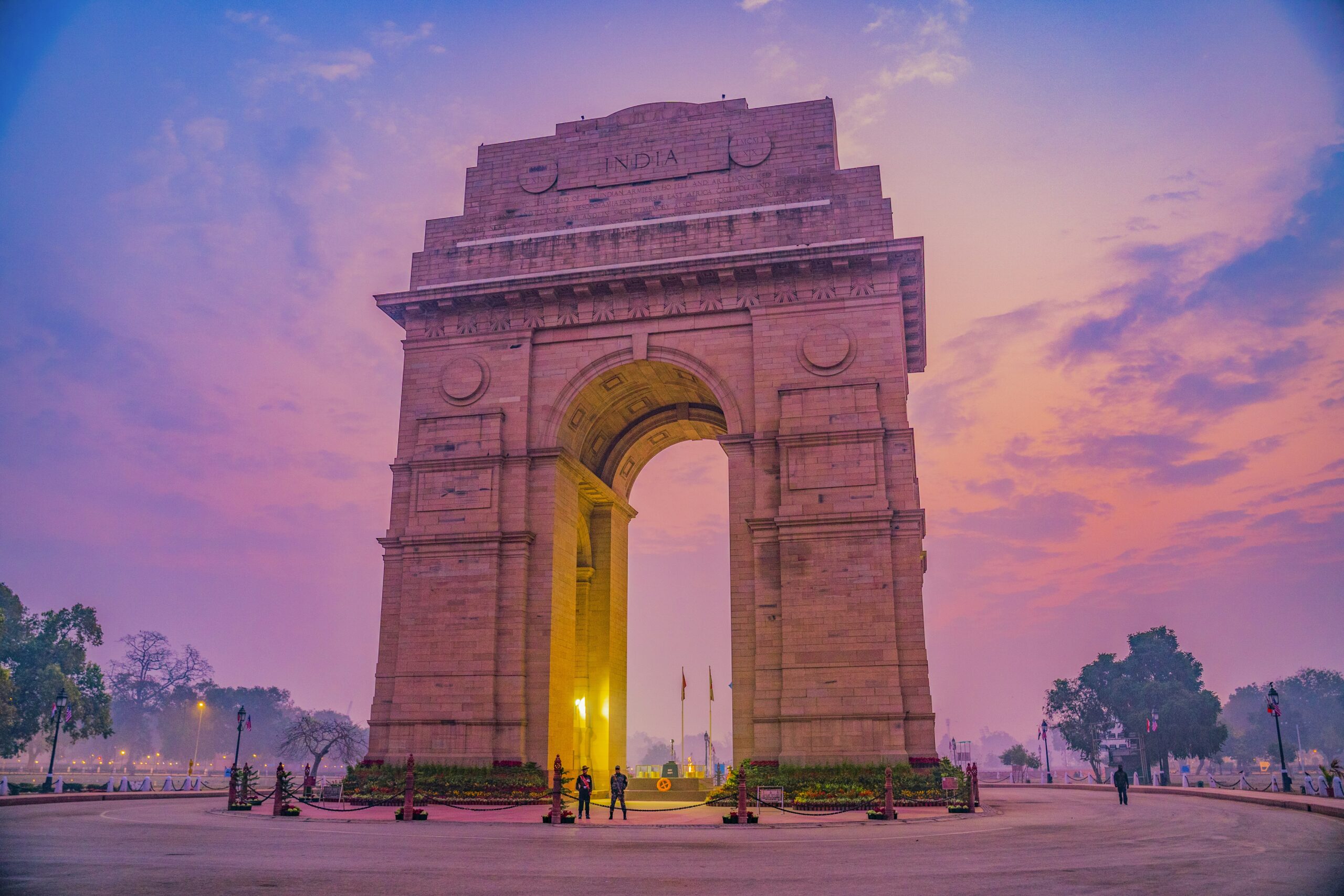
India Gate is best after dark. I walked there at dusk, sat on the lawns with a crowd of families, and watched the lights come up along the arch. Hauz Khas Village became my anchor. It is a college neighborhood built around a 13th century reservoir and a ruined madrasa, and every evening the green hollow fills with students, small bands, and people selling prints off blankets. I went back three times. Lodhi Garden is the quieter cousin, full of orange marigolds and walkers doing laps before work, and its old tombs sit right on the grass so you can almost touch the stonework.
Getting Around
I will tell you the single most useful thing I learned: the Delhi Metro is excellent and cheap, and I should have used it from day one. The Airport Express line gets you to New Delhi station in about twenty minutes, roughly six hundred rupees cheaper than the airport taxi scramble. Within the city, I paired the Metro with app rides for the last mile, and I reserved cycle rickshaws and autorickshaws for short hops where a motorcar made no sense. Traffic is real and the air can be heavy, so I planned outdoor time for mornings and kept my evenings indoors on the thicker or smoggiest days.
Where I Ate
My food rules were simple: follow the queue and trust the places with no menu. One lunch at a two-table spot in Karol Bagh, no English sign, just a chalkboard in Hindi, remains my whole reason for coming back. The thali you get for a few hundred rupees feeds you twice. For a nicer meal I booked a place in Connaught Place and sat through a long Punjabi dinner that ran late past the standard tourist hour. Drink only sealed bottled water, skip ice at the streetside stalls until your stomach has settled for a few days, and keep a warm layer in your bag because evening restaurants love their air conditioning set to arctic.
Where to Stay
I split my time between two areas and I would do it the same way again. First, near Connaught Place, which put me in walking reach of the Metro ring and made every day trip painless. Then two nights in a small heritage hotel in the south, close to Hauz Khas and the east side of Lutyens Delhi, where the pace slows and the streets hold their shade. If your trip is short and you only pick one base, take the one near the Metro. It fixes more problems than it creates.
What I Would Skip
I learned to edit the list. The Red Fort gets fifteen minutes of your patience unless you have serious history in you, and I would trade a slow afternoon in Humayun’s Tomb for most of the palace interiors elsewhere. The big flower market at night is striking to photograph but a financial and physical drain to reach by rickshaw. For souvenirs I skipped the main bazaar prices and walked two streets over, where the same brass lamps and block-printed cloth cost a fraction. Everything worth seeing here rewards a second slow lap more than a rushed first one.
Final Word
Delhi rewards travelers who drop the checklist. I arrived with a printed itinerary and left with a handful of evening haunts I would happily fly back to tomorrow. Give the city room, eat fearlessly once your stomach adjusts, use the Metro, and do not let the noise convince you there is nothing underneath it. There is, and it is patient with you if you are patient back.



