

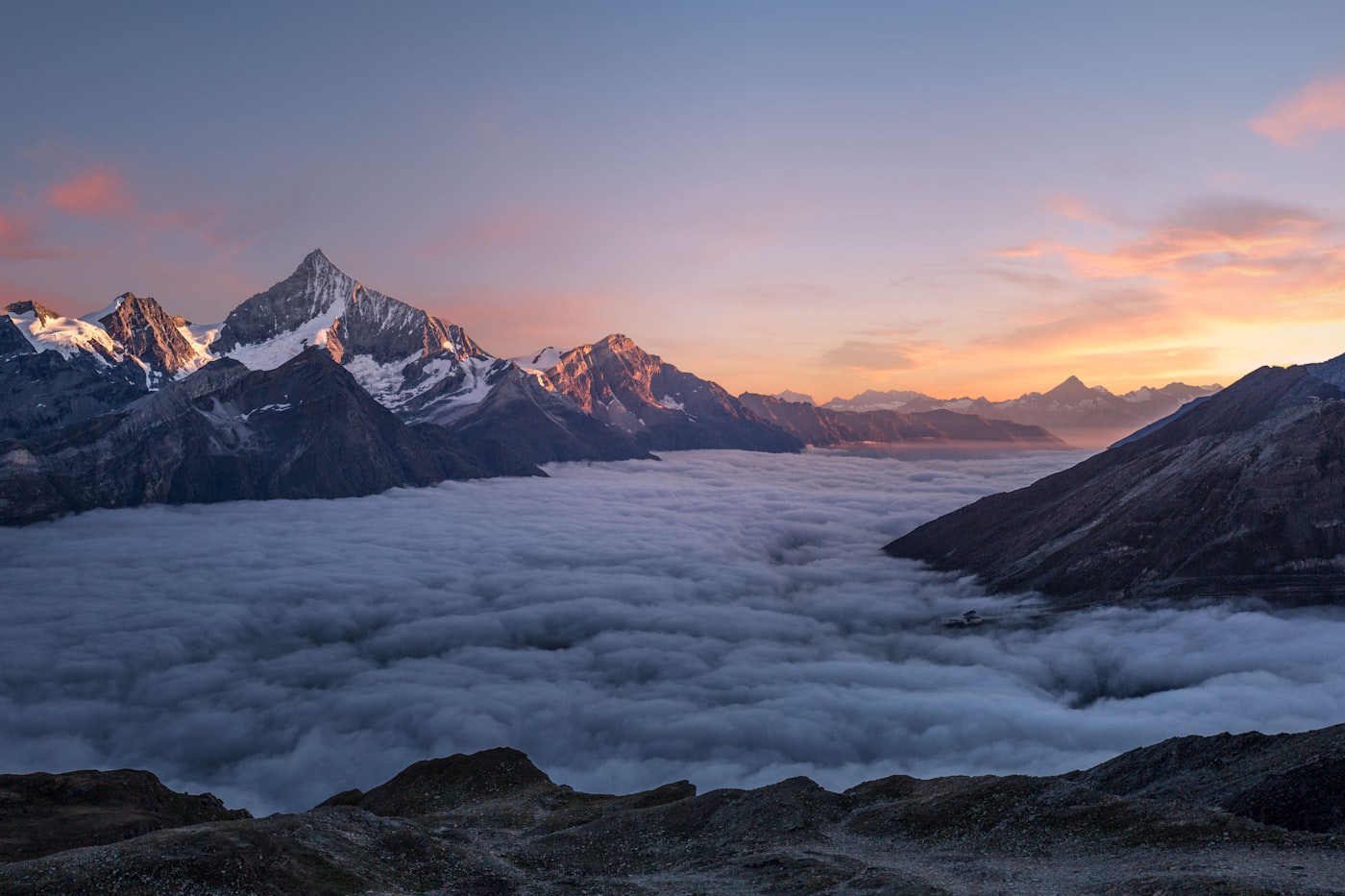
Maseru surprised me on my first visit with its calm streets and dramatic mountain backdrop. This Maseru Lesotho travel guide brings together everything I learned across several trips.
The capital of Lesotho rests right on the border with South Africa. It is a relaxed highland town where Basotho culture meets a growing modern scene.
Overview
Maseru is a small, friendly capital that you can explore in a few days. The center holds markets, museums, and shops within easy walking distance of each other.
The town serves as the gateway to Lesotho’s famous highlands and mountain trails. From here you can reach striking peaks, villages, and scenic passes quickly.
English blends with the local Sesotho language on the streets, so visitors find it easy to get around. The atmosphere feels welcoming and unhurried throughout the city.
When to Go
I found the best weather between September and November with warm days and clear skies. Spring brings wildflowers and a lively green countryside.
Summer sees afternoon rains alongside pleasant mornings from December to February. Winter turns cold and dry but rewards travelers with low prices and quiet streets.
For the mildest overall conditions I aim for March, April, September, or October. Each month offers comfortable travel without the peak season rush.
Top Things to See and Do
A drive into the mountains around Maseru is the highlight of any visit. The panoramic routes deliver endless views of ridgelines and rushing rivers.
I always visit the cultural sites near the center, including the royal palace and parliament hill. A local guide shares the stories behind each landmark.
For history I climb Thaba Bosiu, the mountain fort where the nation was forged. The plateau offers sweeping views and a deep sense of the past.
Shopping for mohair blankets at the local market makes a fun afternoon. These woven treasures are warm, colorful, and proudly made in the country.
Where to Stay
The main hotel area sits near the center and suits most first time visitors. I found comfortable rooms with easy access to restaurants and shops.
Budget travelers have a solid choice of guesthouses with a local feel. These simple stays offer great value and often a warmer welcome than big hotels.
For a special night I recommend a mountain lodge a short drive from town. The quiet and the views make it well worth the extra effort.
Getting Around
Maseru is easy to cover on foot in the daylight hours. I kept my explorations within the central zone and walked between the main attractions.
Taxis fill the streets and offer cheap rides around the city and region. I always settle the price before starting any journey.
For deeper mountain trips I rented a sturdy vehicle with careful planning. The gravel passes demand steady hands, so I kept a relaxed pace throughout.
Food to Try
Papa and meat stew form the heart of the local diet, and I loved them both. This filling maize dish pairs well with warming, spiced stews.
I also tried moroho, cooked greens with a mild earthy taste. Simple ingredients come together here into satisfying, home style meals.
The cold ginger beer is a refreshing local favorite that I always order. It is sweet, spicy, and completely unlike anything I drink at home.
Daily Budget
A shoestring traveler can manage on thirty to fifty dollars a day. Guesthouses, market food, and shared transport keep the costs friendly.
Most midrange visitors spend from seventy to one hundred ten dollars daily. This covers a private room, warm restaurant meals, and a day tour.
I kept my budget in check by booking guesthouses ahead and cooking some meals. Knowing the costs before I arrived saved me from surprises.
Safety Tips
Maseru treats visitors well when they use common sense. I kept my belongings close in crowded spots and stayed aware of my surroundings.
After dark I stuck to well lit streets and used a trusted taxi. Traveling with others at night added comfort in unfamiliar areas.
On the mountain roads I drove carefully and checked the vehicle before setting off. The weather can shift fast, so I always carried warm layers.
Local Tips
Learning a few Sesotho greetings really opened doors for me. Locals smile when you make the effort, even if you only manage the basics.
I always carried cash because some smaller shops and taxis prefer it. Card payments work in bigger hotels but not everywhere in town.
Bargaining at the craft market brought friendly give and take. I offered a fair lower starting point and we settled happily in the middle.
Day-by-Day Itinerary
On day one I settle into my guesthouse and wander the central streets. I visit the market and enjoy a traditional dinner to start the trip.
Day two heads into the highlands for a full scenic drive through the passes. I stop for photos and lunch before returning to town.
Day three explores Thaba Bosiu and the cultural quarter in the morning. I finish with souvenir shopping and a relaxed farewell meal.
Common Mistakes
The most common mistake is underpacking for the cold mountain nights. Even in summer I needed a jacket and warm layers after sunset.
Many visitors also skip booking a mountain driver or car in advance. Arranging transport early saves time and avoids last minute scrambling.
Others underestimate how quickly afternoon storms arrive in summer. Carrying a rain jacket year round kept me dry and comfortable on my walks.



