

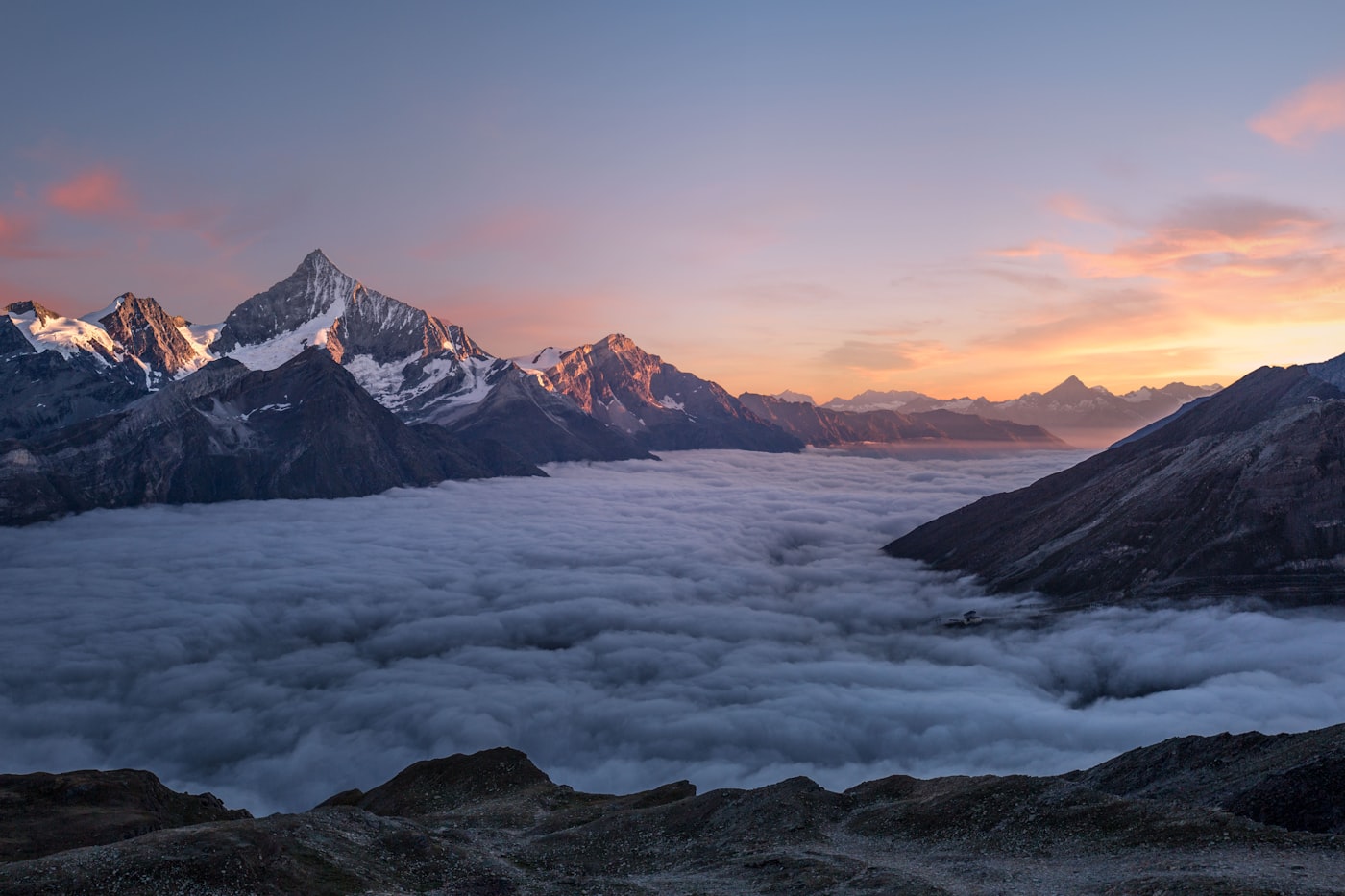
Drakensberg Travel Guide: South Africa’s Dragon Mountains
Standing at the base of the Amphitheatre, staring up at one of the world’s great cliff faces, I understood in an instant why the Drakensberg is called the Dragon Mountains. This sprawling range in eastern South Africa is the country’s outdoor playground, and my time here was spent in a state of constant wonder. Here is how to plan your own trip.
Why the Drakensberg Deserves Your Time
The Drakensberg stretches over two hundred kilometres along the border with Lesotho and shelters dramatic basalt cliffs, hidden valleys, waterfalls and the highest peaks in the country. It is also a UNESCO World Heritage Site, home to the world’s richest collection of San rock art and a landscape of outstanding natural beauty. Whether you hike one trail or spend a week in the hills, it delivers landscapes that linger long after you leave.
The Four Regions and Where to Stay
The Berg splits into main areas, each with its own character. I based myself in the northern Royal Natal area for the Amphitheatre and Tugela Falls, then explored the central and southern regions around Giant’s Castle and Cathedral Peak. Accommodation ranges from friendly family lodges and guest houses to self catering chalets, luxury hotels and mountain huts for serious hikers. For most visitors, the northern section is the easiest and most spectacular base.
Getting to the Drakensberg
The range is a comfortable drive from both Johannesburg and Durban, roughly three to four hours depending on your starting point and region. I drove, which gives the most flexibility, and enjoyed the scenery on the final stretches. Roads to the visitor centres are generally good, though a high clearance car helps on some gravel sections. Public shuttles reach the main resorts, but a car or tour makes the far corners much easier.
The Best Hikes
Hiking is the heart of the Drakensberg. The Tugela Gorge trail is a superb full day walk with river pools and the famous waterfall viewpoint. The Sentinel route up the Amphitheatre, complete with its chain ladder, rewards you with some of the best views in Africa. I also loved the easy loops around Cascades and Potholes for a relaxing afternoon. Always check conditions and start early, especially in summer when storms build.
Rock Art and Cultural Heritage
No visit is complete without seeing the San rock art. I joined a guided walk to painted caves in a World Heritage area and was moved by the centuries old images of hunters and shamanic figures. The museum at Giant’s Castle adds deeper context. These sites are delicate, so always go with a registered guide and respect the no touching rule.
More Than Hiking
The Berg is not only for walkers. I went horse riding through the foothills, tried fly fishing in the clear streams, and enjoyed big sky sunsets from the roadside lookouts. Birders will find rare species like the bearded vulture, and photographers will never run out of subjects. In the evenings, the lodges serve hearty food and the stars over the dark mountain sky are breathtaking.
Practical Tips
Pack layers because mountain weather changes fast, and carry rain gear even in summer. Good boots, water and sunscreen are essential. Book accommodation in advance during school holidays, and hire a guide for the summit routes and rock art sites. Check the office for trail conditions and let someone know your plans before a long hike. A light raincoat, warm hat and camera lens for distance are my non negotiables.
Planning a Good Route
The Berg rewards a little structure. I allotted my days with one big hike, one easy wander and one cultural visit, which kept each day fresh. On a short trip, base yourself in the north for the Amphitheatre and Tugela Falls, then add a rock art morning in the central area if time allows. On longer stays, the southern peaks and the remote valleys near Lesotho open up. A steady mix of effort and rest made my whole journey a pleasure rather than a grind.
What to Eat and Where
After days on the trails, heartiness wins. The lodges serve generous spreads of roast meats, soups and baked breads, and I did not eat a bad meal in the whole range. For self catering, the town shops and farm stalls stock everything from cheese to fresh produce. I always carried trail snacks, nuts and a flask of warm coffee for the long days, and a hot meal back at the lodge made every summit feel worth it.
My Final Thought
The Drakensberg is South Africa at its wildest, most beautiful, and most rewarding. From the tops of the great cliffs to the painted caves and cool river pools, it puts you face to face with a landscape that asks for effort and returns it generously. I came for a weekend of walks and left with a renewed love for the high places.



