

Best Time to Visit Seoraksan
Seoraksan changes character completely with the seasons, and I have hiked it in every one of them. Each visit taught me something new about when this dramatic Korean mountain range really shines. Here is how the year breaks down so you can pick the perfect time for your own trip. The park straddles the mainland and a coastal plain, so its weather combines mountain conditions with sea influence, which complicates any guess about the perfect date.
Autumn is the famous favorite
Late September through early November is Seoraksan’s magic window. I trekked in late October and the foliage was unreal, with scarlet and gold spilling across the valleys against the grey granite peaks. The weather is cool and crisp, ideal for long hikes, and the visibility is excellent. The trade off is crowds. Everyone knows this is the best time, so expect busy trails and full parking lots. Go on a weekday and start before sunrise to beat the rush, and book any nearby accommodation well in advance.
Spring brings fresh green and blossoms
From April into early June, Seoraksan softens into vivid new green. I walked the valley trails in May and the forest felt fresh and alive, with wildflowers scattered along the streams. The weather is mild and comfortable, and crowds stay noticeably lighter than in autumn. This is my pick if you want beautiful mountain scenery without the peak crowds. Just keep an eye out for late spring rain, which can make the higher trails slick. The waterfalls, full from spring melt, are at their most dramatic then.
Summer is green but wet and busy
July and August bring lush, deep green forests, but also heat, humidity, and monsoon rains. The valleys can feel heavy and the higher trails often disappear into low cloud. I learned the hard way that summer is a gamble, especially during the rainy season in July. It does mean more dramatic, misty moodiness and the waterfalls run their fullest, but I would only recommend it if you can be flexible with the weather. The school holidays also push the paths near capacity, so expect company.
Winter is a snowy wonderland
December through February turns Seoraksan into a snowy alpine scene. I hiked in January and the peaks sat frosted in white, which was spectacular. The catch is the cold, and icier conditions, especially on exposed ridge sections like the climb to Ulsanbawi. Cable car services can pause in bad weather, and I always packed crampons and layers. For experienced winter walkers it is breathtaking; for casual visitors it can be tough. The reward is a pristine, quiet version of the park that few people see.
Festival and cultural timing
Seoraksan also comes alive with seasonal events. The Seoul area’s autumn foliage season peaks along the mountain’s lower slopes and draws photographers from across the country, while the nearby coastal city of Sokcho holds its own festivals through the year. I combined a visit with the local food scene in the warm months, timing my trip around quieter weeks to enjoy both the mountain and the coast. Planning around these cultural beats adds a layer to the hiking.
My honest verdict
For most people, the sweet spot is autumn, specifically October and early November, when the color and weather peak despite the crowds. If you would rather trade some spectacle for solitude, spring offers beautiful green valleys with far fewer visitors. Winter is for dedicated hikers, and summer is a roll of the dice. Time it right, and Seoraksan is simply unforgettable.
Time of day and the light
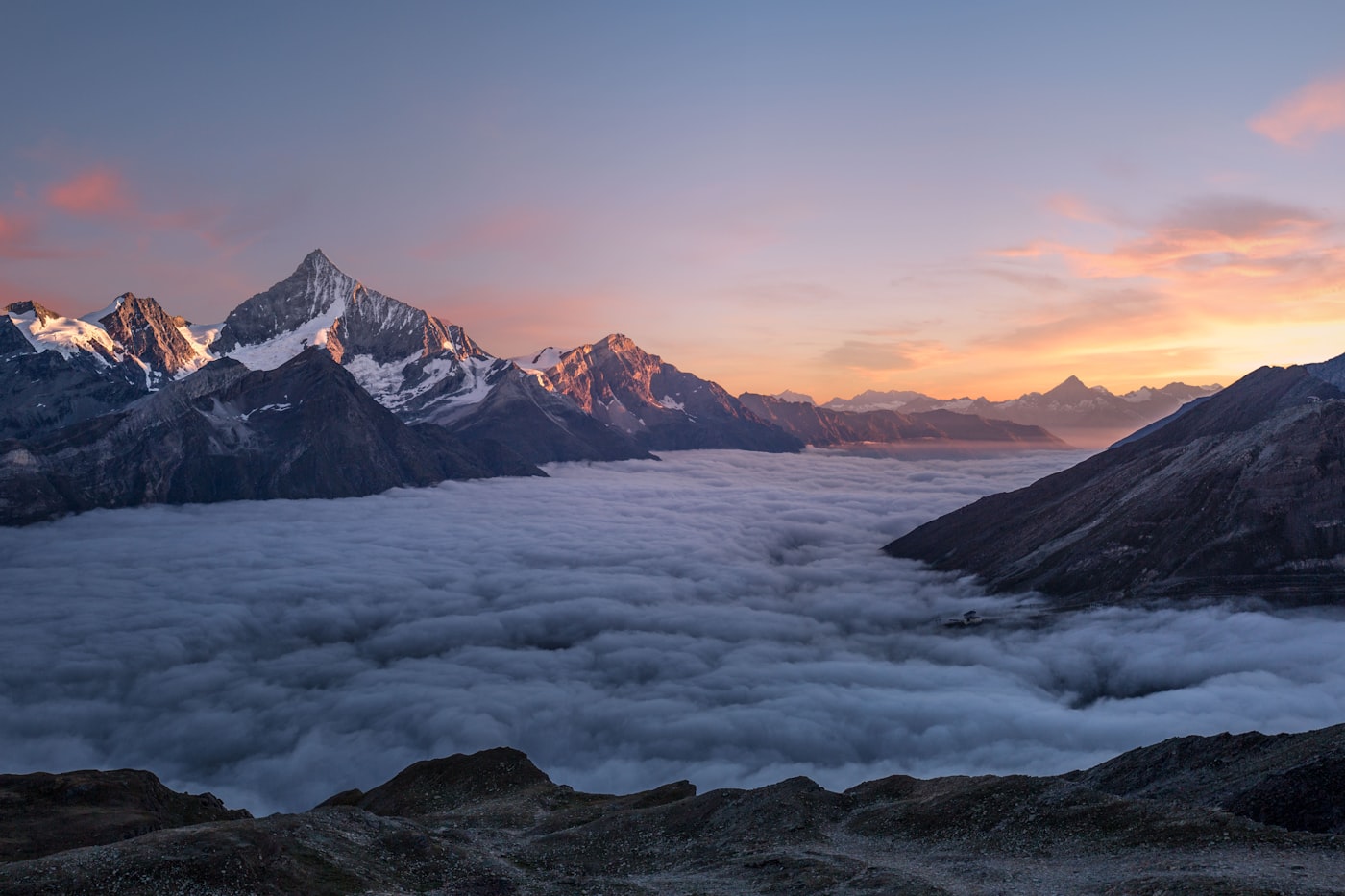
The hour you hike in changes Seoraksan as much as the season does. I loved the early mornings, when the valleys were quiet and the granite caught the low, warm light before the crowds arrived. Midday can get hot and busy, especially in summer and autumn, so I planned the longer climbs for the morning and saved the gentler valley walks for later in the day. Sunset, meanwhile, is spectacular from the west facing viewpoints, painting the peaks in soft color. Build your day around the light and every season feels better.
Finally, always leave a spare weather day in your plan. Seoraksan’s peaks are often wrapped in cloud, and the difference between a clear ridge and a closed one can come down to a single morning. On my best trips I had a flexible day set aside, so when the sky cleared I could pivot to the summit trail I wanted and save the lowland walks for the grey hours. That single decision turned a good visit into a great one, whatever the season.
One more piece of advice is to book your transport and any national park hotel early when traveling in autumn, because the whole region fills up. I have arrived in October after leaving my planning late and settled for a room far from the gate, which made early starts harder. A little advance planning saves you the headache and gets you closer to the trailheads, leaving your energy for the mountain itself. Plan smart, and the mountain will do the rest.



