

Sagada Travel Guide
Sagada gets called a lot of things, and after three trips I have stopped arguing with any of them. It is a mountain town where you wake before the sun to stare at a sea of clouds, where coffins hang on cliffs like they belong there, and where the loudest sound on a weekday is your own boots on the trail. This guide is the stuff I wish someone had handed me before the first visit.
Getting to Sagada is half the adventure
There are no flights to Sagada, so the ride is part of the trip. The usual route is a bus from Manila to Baguio, then a second bus over the mountains to the town. I have done the overnight bus more than once and I recommend the daytime version if you can, because the Halsema Highway deserves to be seen rather than slept through. The switchbacks are endless and the last stretch is slow, so plan a full day of travel and do not try to do it in a hurry.
The sea of clouds at Kiltepan
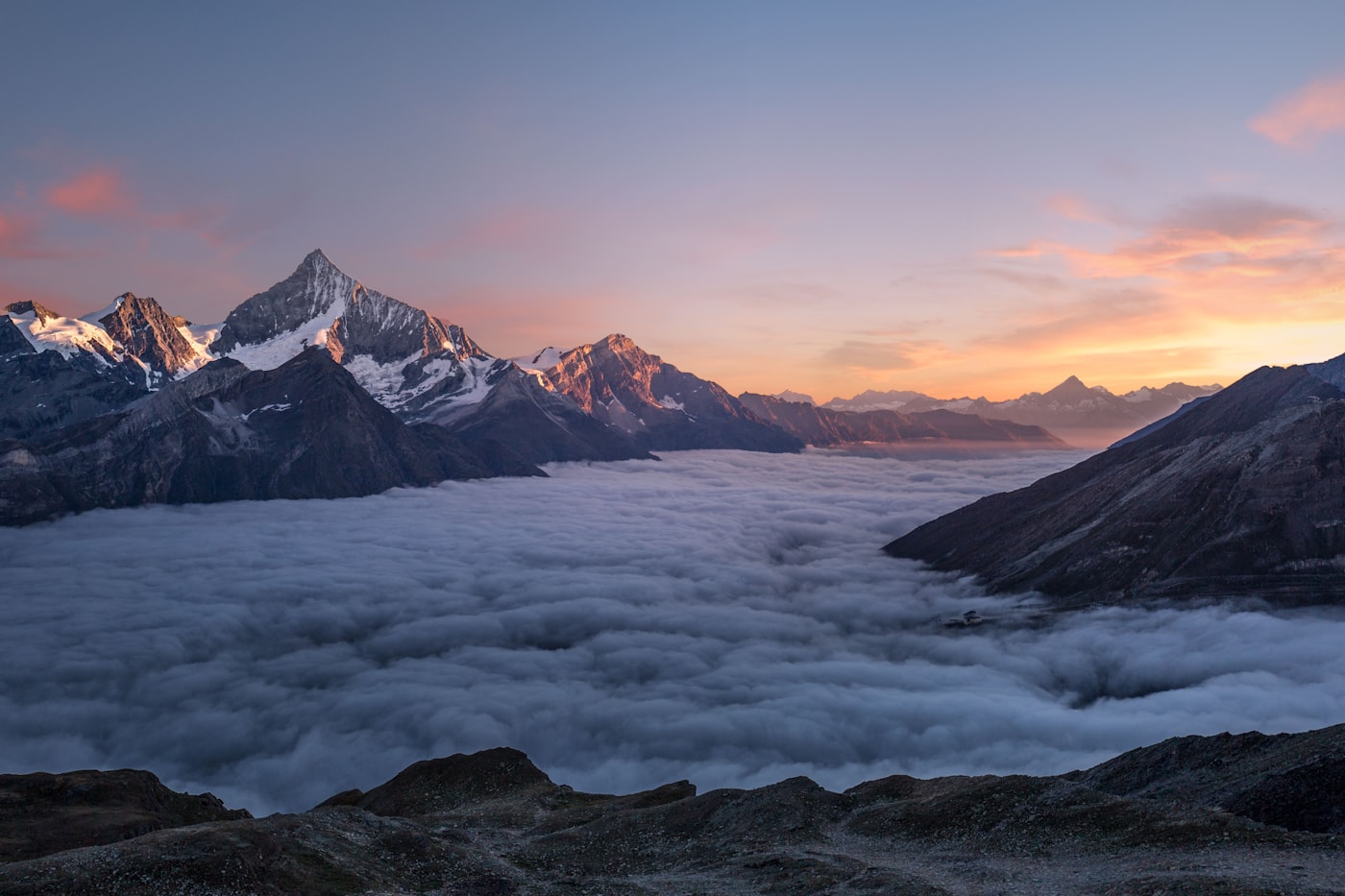
The sunrise at Kiltepan is the image that makes people book the trip. I will be honest: it depends on weather, and no amount of planning guarantees it. But when it works, the valley below fills with a white sea and the peaks rise out of it like islands. Go early, bring a flashlight for the walk from the parking area, and dress in layers because the dawn is cold even in the dry months. Arrive before first light and stay past the crowd noise, because the best light comes a few minutes after the sun clears the ridge.
The hanging coffins and the echo valley
The hanging coffins at the Echo Valley are the most photographed sight in town, and for good reason. The custom is a Kankanaey tradition where the dead were placed in coffins and wedged into cliff faces, sometimes resting on jutting wooden beams. A short walk down a steep trail takes you to a viewing spot, and the name comes from the way sound bounces across the gorge. Respect the site and the families it belongs to; this is not a set piece, it is a living burial ground.
Cave exploration that earns its reputation
The caves are where Sagada separates casual visitors from people who came prepared. Sumaguing Cave is the most popular, and you reach it by squeezing through narrow passages and wading through cold water that reaches your chest. Lumiang Cave connects through the famous walk with a guide and a headlamp. I found the caves thrilling but also genuinely challenging, so hire a local guide, wear shoes that can get wet and grip rock, and be honest with yourself about tight spaces before you book.
Rice terraces and ridge walks
Just outside the town the rice terraces climb the hills in patient stone steps. The Bomod-Ok and Lake Danum trails are the classic day walks, and both reward a slow pace. I have climbed these slopes in the dry heat and in the soft rain, and the rain version is my favorite because the fresh green is almost impossible to photograph anywhere else. The routes are long, so start early, carry water, and let a guide set the pace if you are not used to steady uphill walking.
Where to stay and what to eat
Sagada is built around small guesthouses and hostels rather than big resorts, and that is the charm. I stayed in a simple lodge with a fireplace on my last visit and it felt more like home than any hotel. Book ahead for December to February, because the good rooms vanish quickly. For food, the town runs on hearty mountain fare: pinikpikan, vegetable stews, and the famous lemon pie that bakes fresh in several shops. It is simple food that tastes better after a cold morning on the trail.
Practical tips before you go
Bring warm clothes even in summer, because the high altitude turns the nights cold. The town runs on cash more than cards, so withdraw in Baguio before the mountain leg. And be ready for the town to move on its own clock. Guides leave when they leave, buses leave when they are ready, and no amount of schedule checking will change that. I have learned to build slack into every day here, and the slack is exactly what makes Sagada memorable.



