

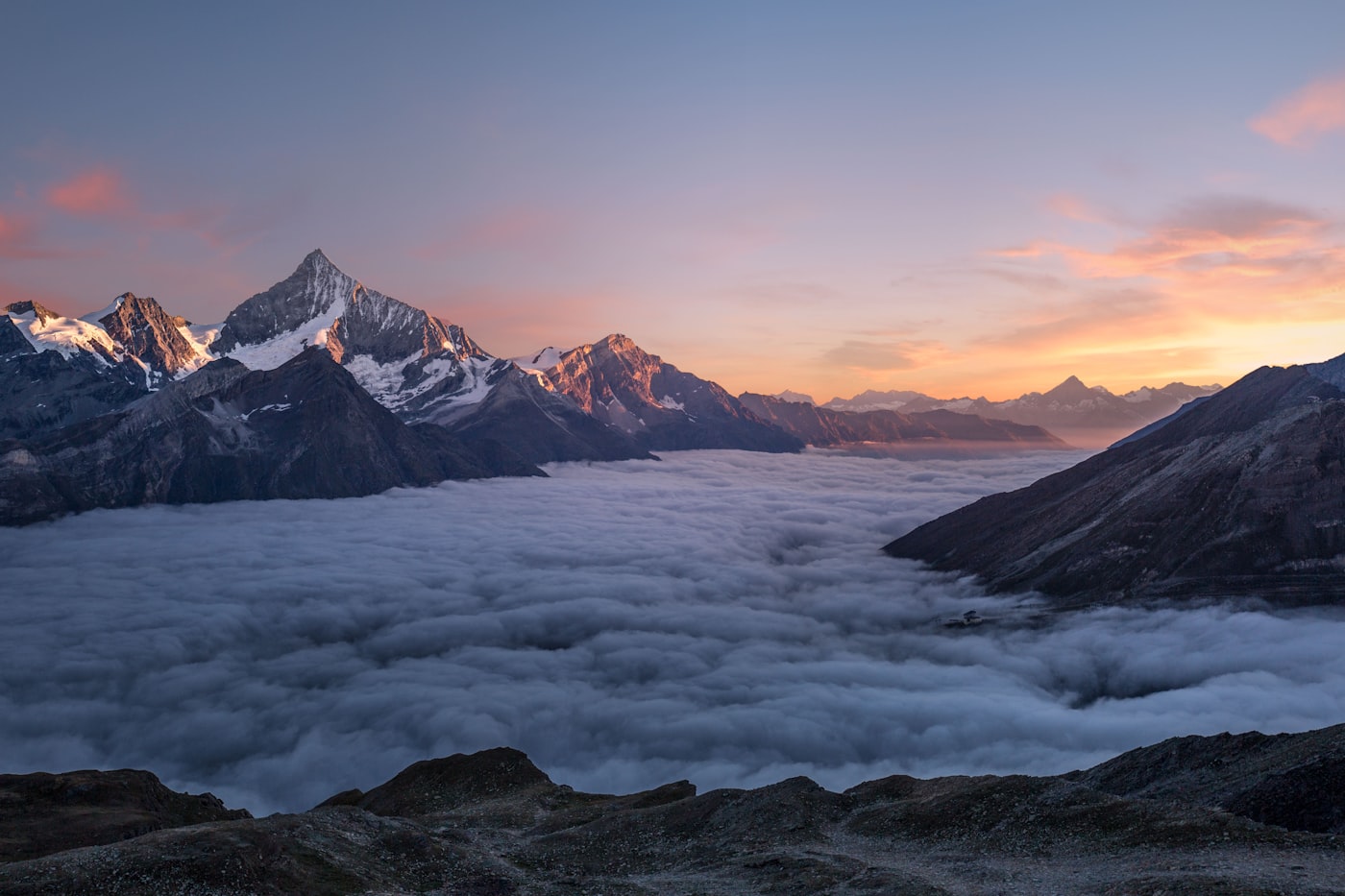
Best Time to Visit Rinjani Volcano, Lombok
Rinjani is an active volcano in northern Lombok, and the season you choose makes a real difference to whether you reach the summit or spend your time hunkered down in camp. I have been on the mountain at different points of the year, and the timing rule is simple but worth taking seriously. Here is how I would plan a climb.
The Climbing Season: May to October
The recognised trekking season runs from about May to October, which lines up with Lombok’s dry season. During these months the trails are firm, the rain mostly stays away, and the summit route clears of cloud more often. This is when the mountain is genuinely at its best, and it is why almost all treks are scheduled in this window. Expect to share the route, but expect the conditions that let everyone actually enjoy it.
July and August: The Peak
The busiest weeks are July and August, when the dry season is at its most reliable and foreign holidays coincide. Good weather and clear summit mornings are the norm, and both main trails see steady traffic. The cost is company on the trail, busier campsites, and stronger demand for guides and porters, so book ahead if these weeks fit your plans. The reward is the most dependable chance at the view you came for.
Why the Wet Season is a Sponsor
From November to April, the mountain closes more often than it opens. Rain turns the ash and soil into slippery mud, the rivers swell, and low clouds can sit on the crater for days, hiding the summit entirely. My experience is that the trail becomes genuinely unpleasant and the rewards drop, since the view you work for can vanish by the time you reach the rim. Some trek operators shut down for the season, and the park authority closes the route on days of heavy rain.
The Hazy Shoulder: April and October
The shoulder months at each end of the dry season, especially October and November, bring a side effect worth knowing about. During the change of seasons, the prevailing wind stirs up dust and agricultural burning, and the air over Lombok can sit hazy for days, especially in clear weather. The trail stays open and dry, but the long views find you squinting through a film at the horizon. It is far better than the wet season, just not as crisp as mid dry season.
Temperature and Layers on the Mountain
Whichever month you choose, be ready for it to be cold. At over 3,700 metres, the rim and summit sit well above the warm coast, and nights drop to near zero, especially in the south. Dawn on the summit can be biting. Pack a solid warm layer, gloves, and a hat even in the warmest travel month, because altitude and wind do not care about the calendar. The base of the mountain stays hot, so you will end up carrying both a beach wardrobe and a cold weather one.
Weekday vs Weekend on the Trail
Within the dry season, weekends draw bigger crowds because Indonesian trekkers pile in on Saturdays and Sundays. If you can slide your climb to a midweek start, you gain a quieter trail and a calmer campsite, even in the heart of the peak season. It is a small scheduling choice that noticeably changes the feel of the whole ascent.
Planning Around New Moon
Many newcomers pick their dates by the moon. New moon gives dark, star-filled nights that are a highlight of the crater camp, while a full moon lights the summit push and the crater lake beautifully without a headlamp. The practical middle ground I settled on is clear weather over moon phase. On a dry October night I had skies so clear the milky way hung over the lake, and it still ranks among the best nights I have spent outdoors.
If you can, go between May and October, with the sweet spot in the middle of the dry season, and give yourself a couple of buffer days in case the mountain closes for rain or the park needs an extra permit. Rinjani rewards patience. The right season turns a punishing climb into one of the great volcano experiences in Indonesia.



