

Things to Do in Gokyo (Nepal)
I came to Gokyo expecting another trekking stop, a place to sleep before the next pass. I left thinking it might be the most beautiful valley in the whole Everest region. Gokyo sits on the side of the range that most people never visit, a string of glacial lakes set against towering peaks, including the world’s fourth and fifth highest mountains. It is quieter than the busy routes to base camp, and the views are, in my opinion, better. Here is how to spend your time there.
Do the Gokyo Ri Summit
This is the walk that everything else circles around. Gokyo Ri is a dome of rock that rises a thousand meters above the lakes, and the summit view takes in Everest, Lhotse, Makalu, and Cho Oyu all at once. I left the village before dawn, headlamp on, and reached the top as the sun hit the peaks. The panorama is the reason thousands walk this valley. It is a hard climb but a fair one, and the reward is enormous.
Stroll the Chain of Lakes
The lakes are the heart of the valley. Five distinct glacial lakes lie in a chain, each one a different shade of turquoise. I walked from one to the next on easy, rolling paths, stopping often to just sit and watch the color shift with the light. The third lake, which houses the village, is the biggest. The lakes sit cold and still, and the silence around them is the closest thing to a reset I have found.
Cross the Ngozumpa Glacier
Below the lakes runs Ngozumpa, the largest glacier in the Nepali Himalaya. I picked my way across its surface with a guide, stepping over streams and around ice towers that shifted and groaned. It is a startling landscape, gray and alive, and it gives you a raw sense of what a glacier actually is. This is not a casual walk, so go with someone who knows the safe route across the crevasse fields.
Stand at the Viewpoint of Thonak Lake
Head a little beyond the village and you can drop down to the fifth lake, a quieter stretch of water with a small hill behind it that makes a fine viewpoint. I sat there one afternoon with no one else in sight. The path is a gentle diversion off the main route, and it rewards the detour with a stillness the main village never quite has.
Go Down to the First Lake
Most visitors stop at the village lake and never walk further, but the lower lakes are worth the extra effort. I dropped down the path toward the first and second lakes in the chain on a quiet afternoon, and each one had its own mood, broader and calmer than the one above. The trail is easy and mostly downhill on the way out, so the effort is modest and the reward is a stretch of valley you will likely have to yourself. Carry water and remember that what goes down must come back up, so pace the return.
Photograph the Light, Not Just the Peaks
The peaks get all the attention, but the light on the lake water is the thing that actually makes a photograph. I spent a full afternoon just watching how the color of the third lake shifted as clouds passed and the sun moved. Early morning gives you mirror-still reflections, midday can turn the water pale and bright, and the late light warms it to a deep gold. Plan to be at the lakeside at different times of day rather than only at the summit, and you will come home with the images that feel most like the place.
Watch the Sunrise from the Ridge
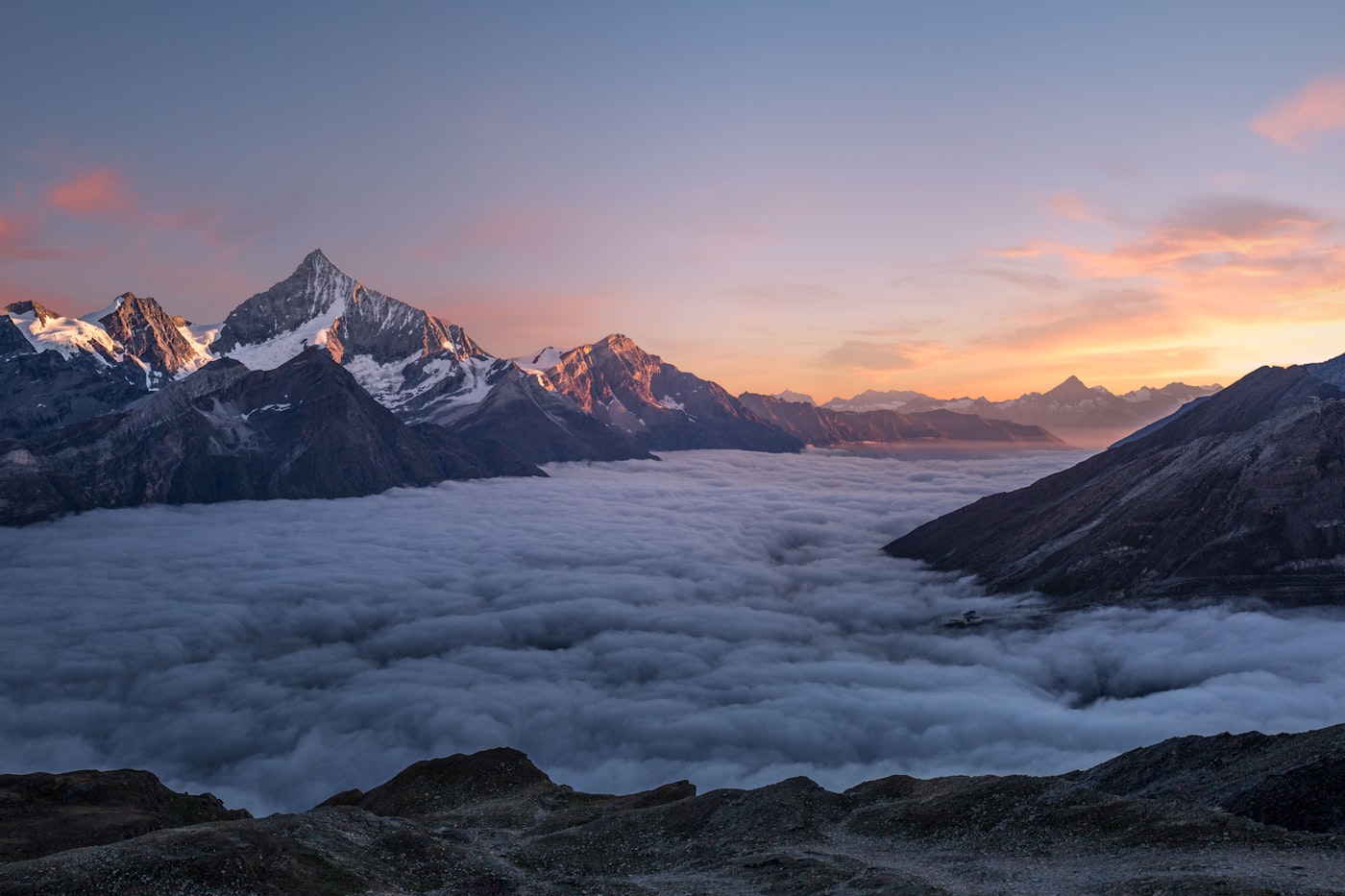
You do not need to summit Gokyo Ri to catch a good sunrise. The ridge above the village gives a fine view of the peaks catching color, and it is a far gentler climb. I went up one morning too tired for the full ascent and got a sky full of orange and pink that I still remember. Sometimes the easy option is the right one.
Mix With the Teahouse Regulars
The teahouses in Gokyo are gathering places in the evening, and the conversation around the stove is part of the experience. I met trekkers going the other way, locals heading down for winter, and a guide who had summited Cho Oyu twice. Bring a warm jacket for after dark, because the temperature drops fast at that altitude, and let the evening unroll at its own pace.
The Practical Notes
Gokyo sits above 4,700 meters, and altitude is the constant companion. Drink plenty of water, keep your climbs gradual, and know the signs of altitude sickness before you arrive. The walking season centers on spring and autumn. I would allow two nights in the village, one for arriving and acclimatizing, one for the Ri climb, so you do not rush the view.
My Last Word
Gokyo gives you Everest without the crowds of the base camp trail. The lakes, the peaks, and the quiet make it stand apart. Slow down, climb early, and let the valley work on you. It does not shout, but it stays.



