

Manaslu Circuit Travel Guide
I want to start by being honest about what this trek is and is not. The Manaslu circuit is not a polished, signposted stroll like the lower parts of the Annapurna route. It is a long, demanding loop around an 8,163 meter giant, with a high pass, rough trails, and a genuinely remote feel that rewards the prepared traveler. It is also, I am convinced, one of the most dramatic and least crowded mountain journeys in Nepal. Here are the notes I wish every first timer had before they started.
First, the Reality Check
Manaslu asks for a serious commitment. The full circuit takes around twelve to fifteen days, reaches more than 5,000 meters at the Larkya La crossing, and involves long, rough walking days in weather that can change without warning. It is a restricted area, which means you must trek with a licensed guide and hold a special permit, and it is simply harder physically than the classic teahouse loops. I say this not to scare you but to make sure you arrive with the right gear and the right expectations. Done properly, the reward is enormous.
How the Circuit Works
The route begins in the Budhi Gandaki valley, usually reached by a long drive or ride from Kathmandu via the town of Soti Khola or Machha Khola. From there you walk up through the valley, past stone villages, suspension bridges, and forest, then climb to the Tsum valley junction and the high settlements of Samagaon and Samdo. From Samdo you push up to the Larkya La pass and drop down the Dudh Khola side before a rough road carries you onward toward Dharapani and the Annapurna region.
Permits and the Guided Requirement
Because Manaslu is a restricted area, you cannot just set out alone. You need a special restricted area permit that is arranged through a licensed trekking agency, along with a Manaslu Conservation Area permit. The Tsum valley is a separate restricted zone and needs its own permit as well. In practice, this means you book through a guide or agency in Kathmandu or Pokhara, and they handle the paperwork while you focus on your packing. Bring your passport and be ready to show permits at the checkpoints, because the wardens are thorough and the rules are not optional.
Getting to the Trailhead
Most people drive from Kathmandu, and that drive is part of the adventure in its own way. The road follows the river valleys and has sections that are rough, narrow, and occasionally delayed by weather or roadwork, especially in the green season. I arranged my transport through my trekking agency and shared the jeep with a small group, which also saved on cost. Give yourself a full day for the drive and start it early. There are also flights and longer routes for those with time, but the road remains the standard way in and out.
Where You Sleep Along the Way
The circuit is now served by simple teahouses in most villages, but they are rougher and more basic than on the big commercial routes. Beds are planks, showers are rare and sometimes cold, and the dining halls gather everyone together as darkness falls. Above Samdo and Dharamsala, the lodges near the pass are minimal, so pack a proper sleeping bag and know that comfort will be thin at the top. I carried a small sleeping bag liner and a power bank, and I learned to order dinner early for a warm meal after the short daylight ends.
The Big One: Crossing Larkya La
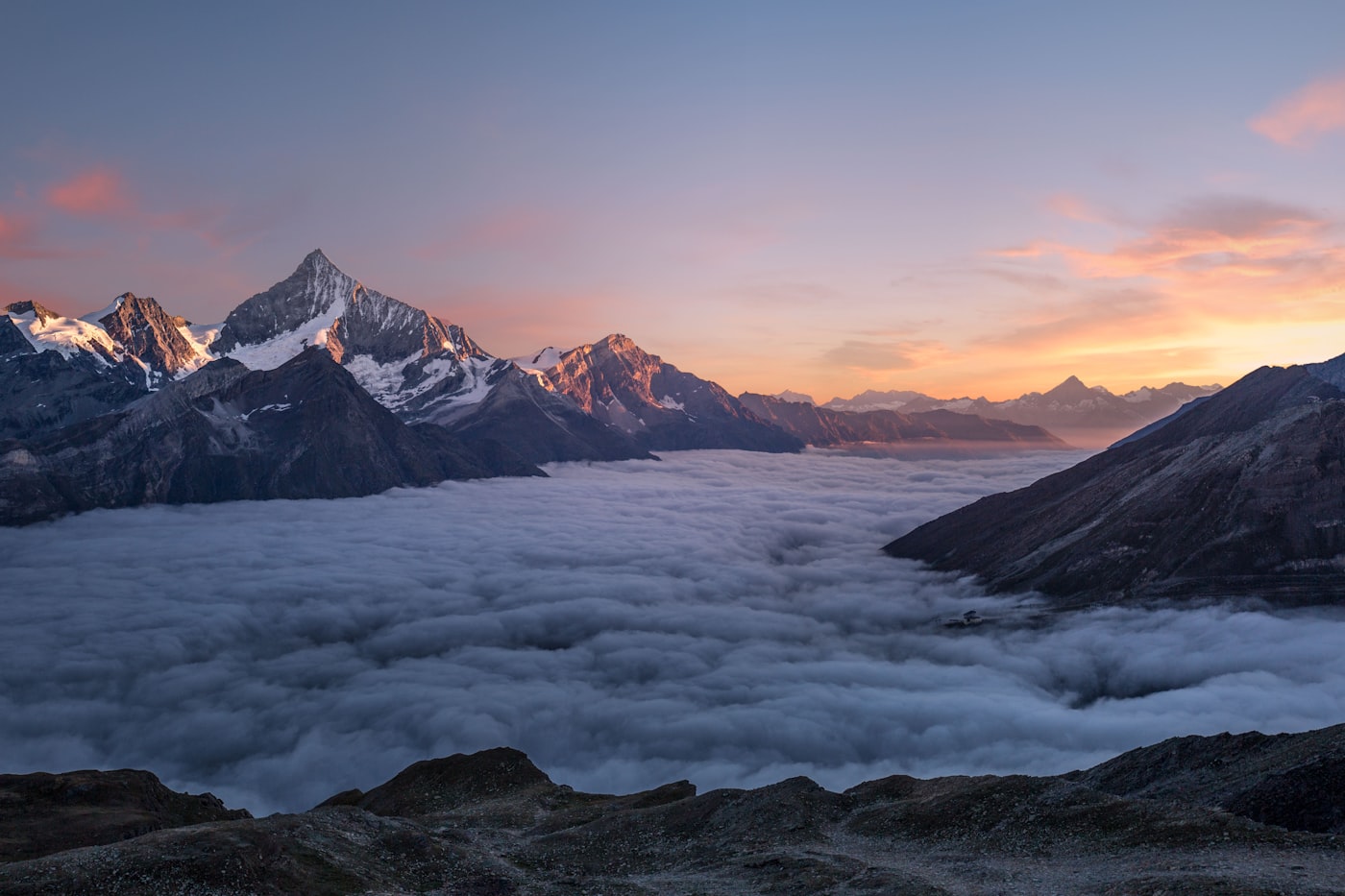
Everything leads to the Larkya La, a high pass around 5,100 meters that towers over the head of the valley. The climb from the teahouse at Dharamsala is a long, slow grind through moraine and snow, usually started in the dark, and reaching the top at dawn is the emotional high point of the whole trek. On my crossing the wind was brutal and the peaks of the Manaslu massif were all lit up. Dress for real wind, move steadily, and listen to your guide.
Packing for the High Cold
The altitude and cold are the dominating facts of this trek. I packed a warm sleeping bag rated for genuine cold, a down jacket, thermal layers, gloves, a warm hat, and a sturdy waterproof shell, and I used all of them several times. Hiking poles helped a great deal on the long descents and on the pass approach. Because services thin out at the top, I carried enough cash for the whole trip, no reasonable card was accepted in the high villages, and I kept my phone and power bank topped up whenever a generator ran.
Altitude and Safety
Altitude sickness is the gravest practical risk on the circuit, and the high pass makes it worse because you climb and descend over a day. I followed the old rules carefully: walk slowly, hydrate, keep a relaxed pace for the group, and sleep lower than you climb where you can. A rest and acclimatization day at Samagaon or Samdo made a real difference in how I handled the pass. Watch for headache, nausea, and poor sleep, and if symptoms build, go down rather than onward. There is no victory in pushing past your body’s warnings at 5,000 meters.
Why It Tops My List
I have walked several of Nepal’s famous routes, and the Manaslu circuit is the one I talk about most. It gives you the whole range of mountain experience: forest valleys, ancient stone villages, monasteries, high herders’ pastures, a genuinely demanding pass, and a silence and emptiness the busy circuits have lost. It is more work and more paperwork than the popular treks, and it asks you to be humble before the weather and the altitude. Do exactly that, go with a good guide and a week and a half to spare, and the loop around the grey giant will reward you beyond what the maps can promise.



