

Best Time to Visit Nan, Thailand
Nan sits high and cool in northern Thailand, and because few travelers make the drive, the season matters less than it does in the crowded centers. Still, your visit to Nan will look very different depending on the month, and I have learned exactly when the province shows its best self.
The Cool Season: November to February
From November the heat drops and Nan turns into the version most people imagine of the north. Mornings are crisp, afternoons stay pleasant, and the rice terraces and mountain viewpoints are at their greenest around the turn of the year. This is the best time for the mountain roads around Doi Phu Kha, where the cold air and clear skies make driving beautiful, and even a short loop through the countryside delivers crisp views of the ridgelines. It is also the busiest window, though by Nan standards that still means quiet compared to Chiang Mai. Book your bungalow ahead and expect cool evenings that need a jacket.
The Hot and Smoke Season: March to April
March and April get hot, with afternoons climbing well past comfortable, and toward April the dry fields and forest fires drag smoke haze over the region. The mountains lose their clarity and the long views I love go grey. It is cheap and almost empty, and the cool plunge pools in the hills still help, but I would not choose this window for the scenery. Songkran in mid April brings local celebrations and water throwing, which can be a lot of fun if you time it right.
The Wet Season: May to October
The rainy season from May to October is Nan at its most dramatic. The paddies flood electric green, the waterfalls swell, and the clouds roll low over the mountains, and because so few visitors come the whole province feels like it belongs to you. I visited in September and was stunned by how alive the valley felt. The trade-off is real: some access roads to the national park wash out, trails turn slippery, and afternoons often deliver heavy downpours.
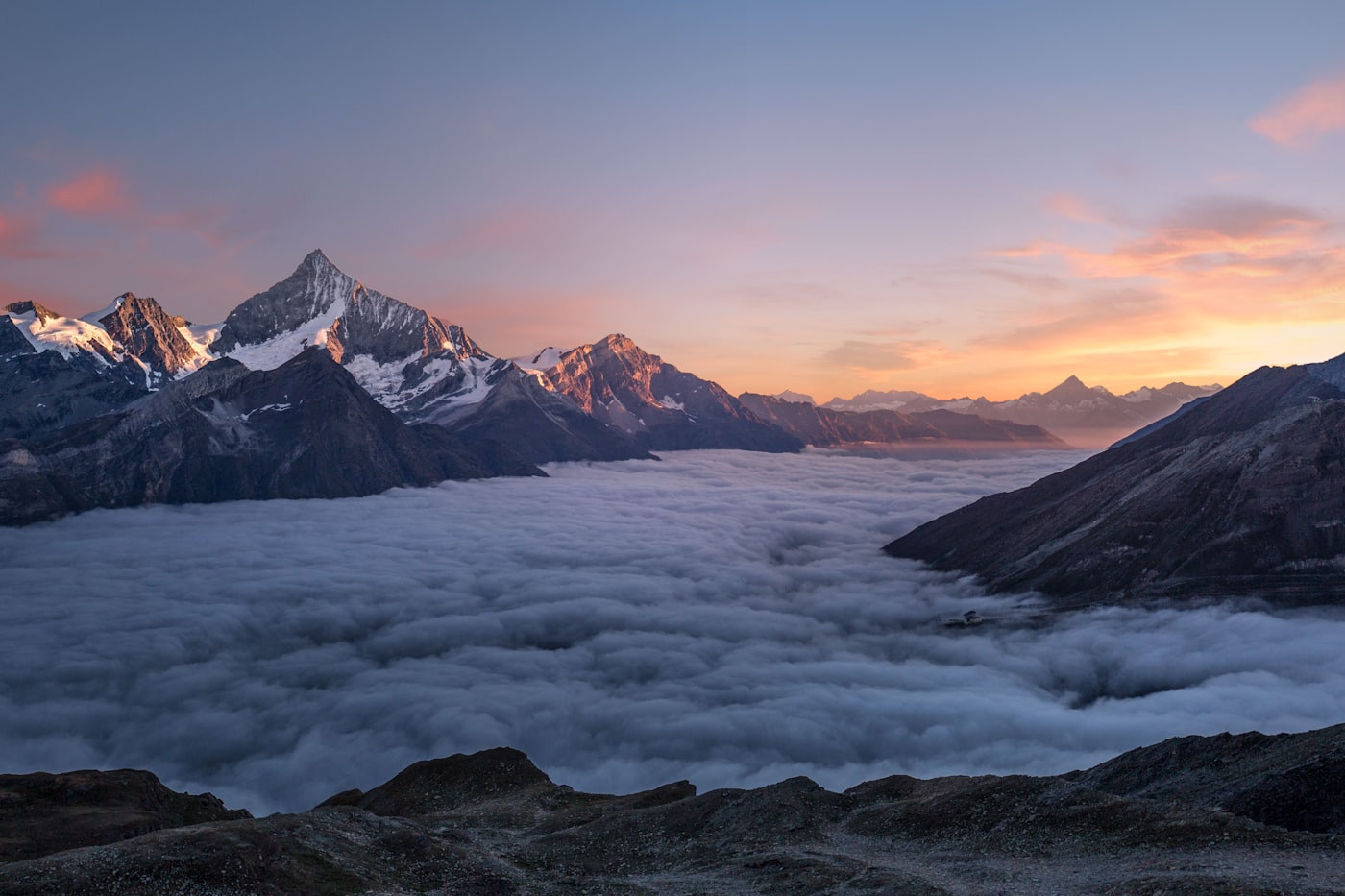
The silver lining is the clouds themselves. Nan is famous for viewing the sea of fog that fills the valleys on cool, misty mornings, and the wet season is when those views get dramatic. For that experience, aim for the shoulder months of late October or early November, when the worst of the rain has passed but the fog is still thick and the fields are still green. It is, in my view, the single best time to be in Nan, and I have planned a trip around exactly that window before. The mist rolling through the paddies in those mornings is the image you take home.
Choosing Your Season
For a first visit with reliable weather and the prettiest rice terraces, target December or January and pack a warm layer for the evenings. For misty valley mornings and green everywhere for a little less, try late October to early November or February. For full rivers, deep jungle, and total solitude, the wet months between June and September reward you if you keep plans flexible.
If clean air and mountain views matter most, give March and April a miss unless you travel only for Songkran, and be ready for the smoke even then. The mountains of Nan deserve to be seen clearly, and the terraces read best in the low light of late afternoon. If you plan to drive to the park or hike any of the Doi Phu Kha trails, check local access in advance during the shoulder seasons, because a single storm can close a road for a day.
Packing for Nan
Because Nan is cooler than the rest of Thailand and mountainous, pack layers and expect temperature swings. A light jacket or hoodie is essential from December to February, a rain shell serves you well in the rainy season, and comfortable shoes matter for the temple steps and mountain trails. Bring insect repellent in the wet months, and keep a small day pack for the drives into the hills, a water bottle, a spare layer for the temperature drop at altitude, and a wrap for the cool evenings that arrive no matter the season.
Final Thoughts
Nan does not have a bad season, just two very different ones. In the cool months you get clear skies, crisp air, and green terraces at their best. In the wet months you get mist, lush jungle, waterfalls at full flow, and almost no one around, and the birdsong fills the quiet mornings as you sip coffee on the balcony, watching the mist lift. Whichever you choose, the province rewards those who take their time, and the right timing simply makes the mountains even harder to leave behind, no matter the season.



