

Best Time to Visit Langtang
When people ask me about the best time to visit Langtang, I usually answer with another question, because the valley gives you something different in every season and the right answer depends on what you want. I have been up the valley in autumn and again in spring, and I have talked at length with the families who run the teahouses. Here is the honest breakdown of the seasons and how to pick the window that fits you.
The Two Best Seasons, Again and Again
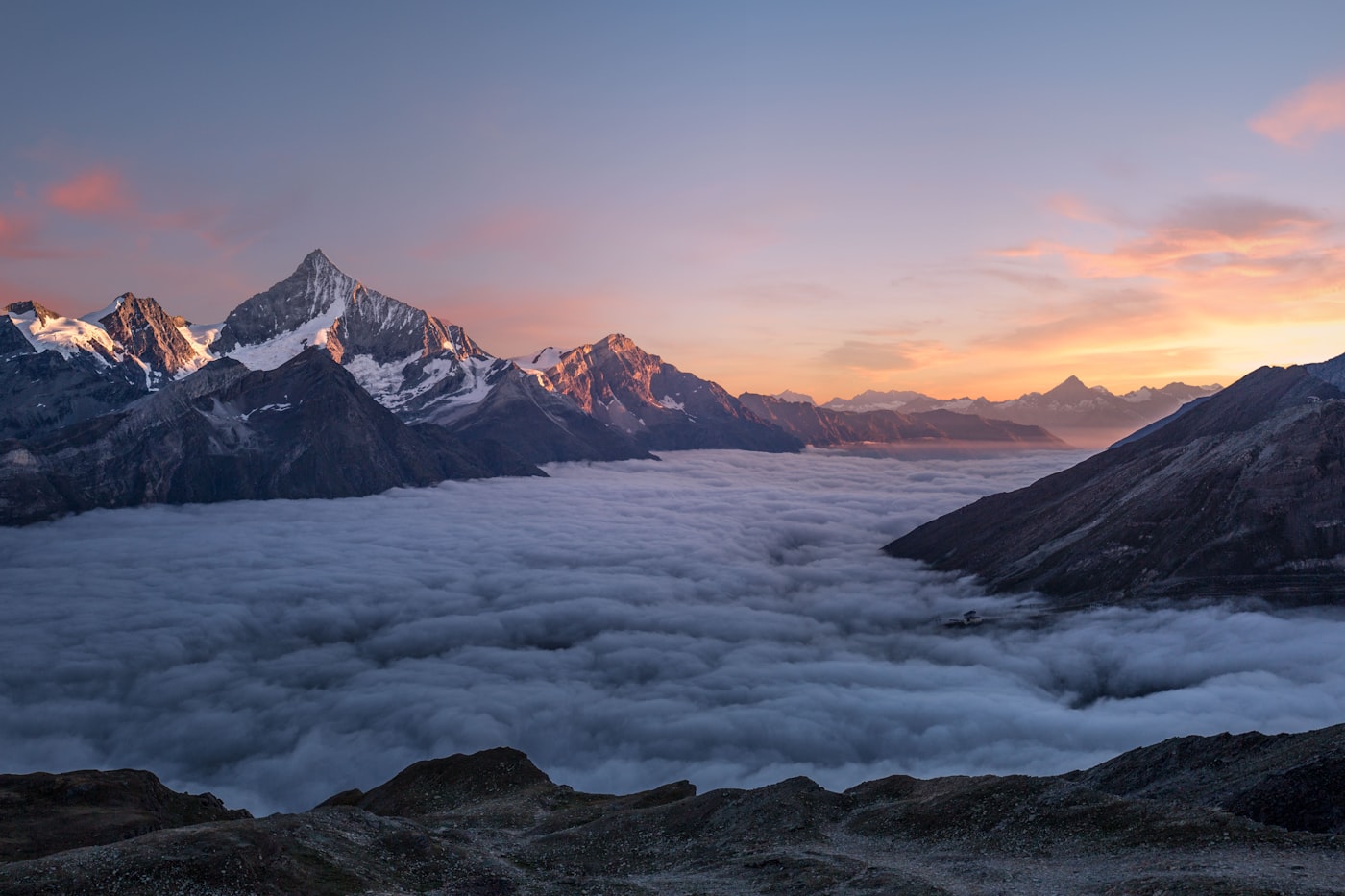
Just like the rest of high Nepal, Langtang is at its best in the autumn, from late September through November, and the spring, from late March through May. The summer monsoon has either just ended or not yet begun, which means the skies are clear and the trails are firm. I went in early November and had wall to wall blue sky every day, with the full basin of peaks out from the first morning. The mornings were crisp and cold and the afternoons pleasant, the classic recipe for happy mountain walking.
Why Autumn Is the Sweet Spot
If I had to send a first timer at the perfect time, I would pick late October to early November. The air has been washed clean by the monsoon rains, so the views of Langtang Lirung and the surrounding peaks are at their clearest. The trails are dry, the days are bright, and the cold nights are manageable with a proper sleeping bag. By mid-November the temperature drops sharply and the higher teahouses start to close, so the autumn window is real but narrow. Catch it right and you get the valley at its clearest and most welcoming.
Spring Brings Warmth and Color
From late March through May the winter cold eases and the valley opens up again. This is the season of flowers in the lower forests, when the rhododendrons that line the trail burst into bloom and turn whole slopes pink and red. The High passes are passable once more, and the longer daylight gives you more walking time. The tradeoff is that spring often brings more cloud in the afternoons than the autumn, and the higher viewpoints can be whiter with fresh snow earlier in the season. Still, for warmer days and color, spring is hard to beat.
What the Monsoon Months Are Like
From June through early September the monsoon makes Langtang wet. The trail itself is generally lower and less extreme than Everest’s route, so it does not wash out as badly, but you can expect daily rain, thick cloud, slippery damp ground, and leeches in the dense lower forest sections. The summits hide for long stretches. A few determined travelers accept all that for the extraordinary green of the valley and the near empty trail, and if you are on a tight budget, the low-season prices help. But I would not pick the core monsoon for a first visit.
Winter in Langtang
Between December and February the valley is cold, and the highest settlement, Kyanjin Gompa, can be cut off by snow for days at a time. Many of the seasonal teahouses close, leaving only the hardy year round lodges and the sherpa families who stay in the valley. I have heard from neighbors who love the winter away from everything, skating across frozen lakes and watching the peaks in low silver light. It is a trip for prepared, experienced walkers with serious cold gear and flexible plans, not for anyone who needs services on demand.
Weather at Altitude, by the Day
Whatever season you choose, remember that this valley sits high, with the main trekking settlement at about 3,830 meters and viewpoints up to 5,000. At that height, the forecast changes fast and the cold is a daily fact of life. In the good seasons, expect fine mornings, seasonable afternoon cloud, and nights that drop sharply toward freezing and below depending on your camp. Rain or snow can arrive without much warning, so pack a good shell and warm layers no matter which window appears on the calendar.
Crowds, Prices, and Booking
Langtang is wonderfully less crowded than the Everest and Annapurna routes, even in its best seasons, which is part of its charm. That said, the numbers do climb in October and April, and the smaller teahouses fill faster than the big circuit lodges. Book ahead through an agency or on the ground if you can, and be ready to share a dining room with a friendly crowd at peak times. On the shoulder weeks, the first half of October or the last days of November, you get most of the good weather with noticeably fewer voices on the trail.
My Honest Recommendation
If you want the clearest skies and the easiest walking, go in late October to early November and let the empty valley do its work on you. If you prefer warmer days and blooming forests, aim for April. Avoid the core monsoon for your first trip, and treat winter as a specialist’s adventure. Above all, go with spare days in your plan, because Langtang rewards the unhurried traveler who can wait for the perfect light. The valley is small and close and easy to reach, and at the right time of year it is one of the most beautiful places I know.



